Introduction
As we delve into the world of sports in 2026, one significant trend that has reshaped the landscape is the emphasis on diversity and inclusion. This evolution not only enhances the cultural richness of sports but also fosters a sense of belonging among participants and fans alike. In this article, we will explore how the sports culture has transformed in recent years, highlighting the positive impacts of inclusivity, celebrating diverse voices, and understanding the challenges that still lie ahead.
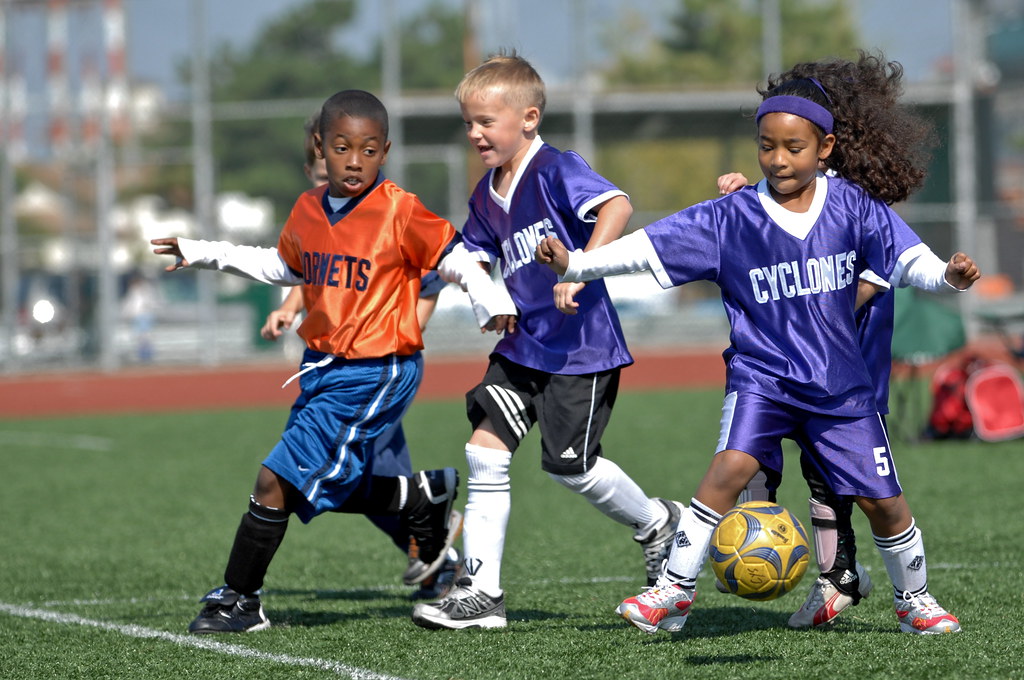
The Rise of Inclusive Practices
The commitment to inclusivity in sports has been remarkable over the past few years. Organizations and governing bodies are taking substantial steps to ensure that everyone, regardless of their background, feels welcome in the sports arena. Some key developments include:
- Policy Changes: Many sports federations have revised their policies to include measures against discrimination, thereby promoting equality on and off the field.
- Grassroots Initiatives: Community programs have emerged to engage underrepresented groups in various sports, ensuring that opportunities are available to all.
- Awareness Campaigns: Advocacy for mental health and inclusivity awareness has gained traction, with campaigns aimed at breaking down societal barriers related to race, gender, and sexual orientation.
Celebrating Diverse Voices in Sports
Diversity in sports goes beyond just participation; it also encompasses representation. In 2026, the voices of athletes from various backgrounds are more prominent, influencing not just sports, but also societal norms.
Empowered Athletes
Today’s athletes are using their platforms to advocate for social change. From raising awareness about racial inequality to championing LGBTQ+ rights, sports figures are becoming crucial voices in the fight against discrimination.
Acknowledging Heritage and Culture
Sports organizations are increasingly recognizing and celebrating the cultural heritage of their athletes. Events honoring different cultural backgrounds, such as heritage nights or themed tournaments, create a more vibrant and inclusive atmosphere.
Women in Sports
The landscape for women in sports has seen significant progress in recent years. More female athletes are breaking barriers, achieving exceptional milestones, and garnering media attention.
Increased Visibility
A surge in coverage of women’s sports has led to increased visibility and support for female athletes. Major networks are dedicating prime time slots to women’s leagues, showcasing incredible talent and drawing larger audiences.
Leadership Roles
Women are also stepping into leadership positions within sports organizations. This shift not only empowers women but also brings diverse perspectives to decision-making processes, enhancing the overall effectiveness of governing bodies.
Challenges and the Road Ahead
Despite significant progress, challenges remain in the journey towards equal representation and inclusivity in sports.
Addressing Underlying Biases
While policies and awareness can create a more inclusive sports culture, underlying biases often persist. Continued education and open dialogues are essential to address and dismantle these biases effectively.
Balancing Commercial Interests
The intersection of commercial interests and inclusivity can sometimes create conflict. Sports organizations must navigate their business strategies while remaining committed to fostering an inclusive environment.
Conclusion
The evolution of sports culture towards embracing diversity and inclusion is a powerful narrative in 2026. As we continue to advocate for equal representation and celebrate the varied backgrounds of athletes, we create a richer, more dynamic sports environment. The journey is not without its challenges, but with sustained commitment and action, the future of sports is promising, vibrant, and inclusive.