The Importance of Sportsmanship in Modern Sports
In today’s competitive landscape, sportsmanship has evolved beyond mere adherence to rules; it now encompasses integrity, respect, and a sense of community among athletes and fans alike. As we step into 2026, a renewed emphasis on ethical competition is redefining how we perceive both victory and defeat in sports.
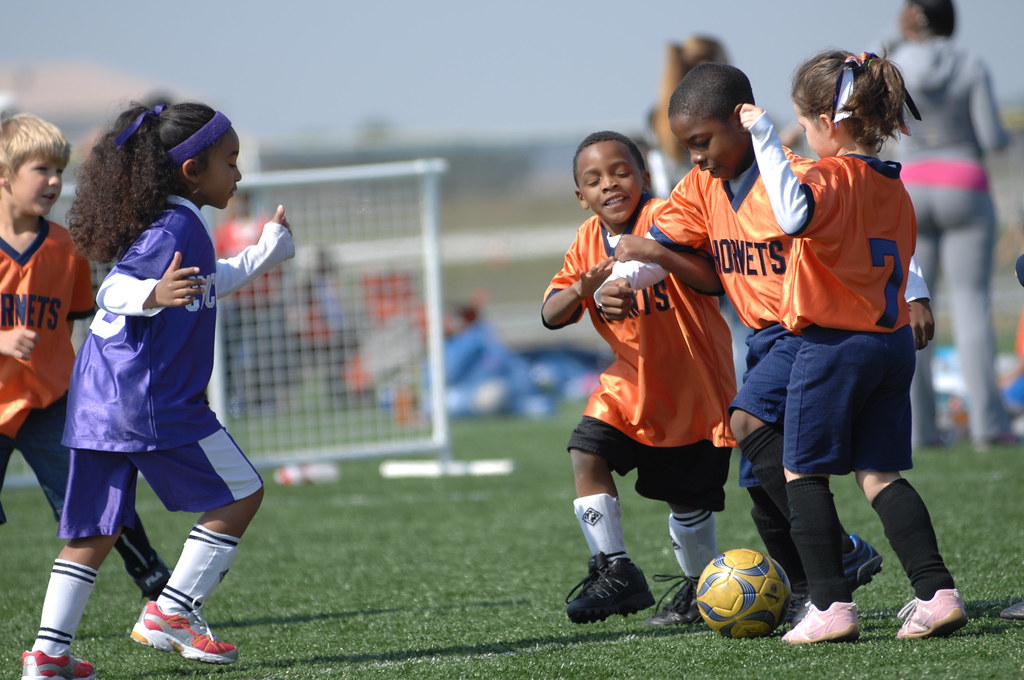
Understanding Sportsmanship Beyond the Game
Historically, sportsmanship was often evaluated based on one’s conduct during a match. However, the contemporary view extends into various aspects of sports, including:
- Respect for Opponents: Acknowledging the efforts of opponents fosters a culture of mutual respect.
- Fair Play: Adhering to the rules without relying on deception or manipulation.
- Community Engagement: Athletes participating in community service to inspire and uplift local communities.
Changes in Athlete Behavior in 2026
Recent years have seen a shift in how athletes approach their roles as public figures. With the rise of social media, athletes are now more aware of their influence and are using their platforms for positive change. Here are some notable trends:
1. Advocating for Fairness and Inclusivity
Many athletes are taking a stand on social issues, promoting fairness and inclusivity within their sports. This has led to initiatives aimed at:
- Supporting underrepresented groups.
- Encouraging dialogue on mental health and well-being.
- Creating awareness about environmental issues.
2. Embracing Technology for Transparency
The integration of technology in sports has played a pivotal role in enhancing transparency. Tools such as:
- Wearable devices that monitor player health.
- Video review systems for fairness in officiating.
- Data analytics to ensure compliance with rules.
These technologies not only assist in maintaining fair play but also empower athletes to compete within ethical boundaries.
The Role of Organizations in Promoting Sportsmanship
Sports governing bodies and organizations hold significant responsibility in shaping the principles of sportsmanship. Their initiatives for 2026 include: Also read: wak89 for more insights.
1. Implementing Educational Programs
Educational programs that emphasize sportsmanship should be mandatory at all levels. These programs can:
- Teach young athletes about ethical competition.
- Provide training modules on conflict resolution.
- Encourage lifelong values of respect and integrity.
2. Establishing Clear Guidelines and Consequences
Setting clear guidelines regarding what constitutes unsportsmanlike behavior is crucial. Organizations are now more proactive in:
- Enforcing penalties for violations.
- Ensuring transparency in disciplinary actions.
- Creating comprehensive codes of conduct for all participants.
How Fans Can Support Sportsmanship
The role of fans in promoting sportsmanship is often underestimated. By choosing to:
- Encourage positive interactions, both online and offline.
- Celebrate not just victories but also the efforts of all players.
- Hold athletes accountable for their actions while supporting their growth.
Fans can significantly impact the sports culture, making it more inclusive and respectful.
Looking Ahead: The Future of Sports Ethics
As we move deeper into 2026, the importance of ethics in sports will likely continue to expand. The future will be characterized by:
- Increased Collaboration: Athletes, organizations, and fans will work together to establish a universally accepted code of conduct.
- Global Awareness: The rise of international platforms will promote ethical considerations across borders.
- Educational Innovations: Utilizing virtual reality and other technologies to teach sportsmanship in engaging ways.
Conclusion
In conclusion, the redefinition of sportsmanship in 2026 marks an important step towards fostering respect and integrity in the world of sports. By prioritizing ethical behavior and creating supportive environments, athletes, organizations, and fans can collectively contribute to a culture that celebrates not just competition, but the spirit of sportsmanship itself.