Introduction
As we step into 2026, the landscape of sports participation is undergoing significant transformations. From evolving societal norms to technological advancements, various factors are influencing how and why people engage in sports. This article explores current trends in sports participation, the reasons behind these changes, and the implications for athletes, coaches, and communities.
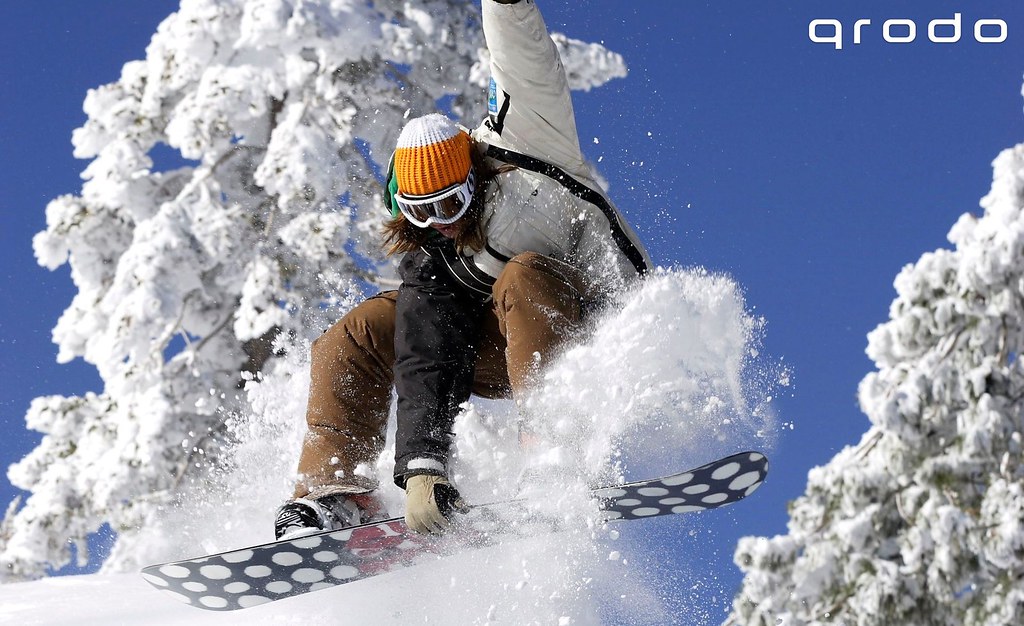
Trends in Sports Participation
1. Rise of Casual and Recreational Sports
With an increasing focus on health and wellness, many individuals are gravitating towards casual and recreational sports rather than competitive elite sports. This shift emphasizes enjoyment, social interaction, and overall well-being.
- Fitness over Competition: More people are participating in sports for fitness rather than competition, preferring activities like running, cycling, and yoga.
- Community-centric Activities: Local leagues, community events, and neighborhood sports gatherings are gaining popularity, fostering a sense of belonging and camaraderie.
2. Inclusivity and Diversity
The push for inclusivity in sports is more prominent than ever. Organizations are actively working to create environments where everyone feels welcome, regardless of age, ability, gender, or background.
- Programs for All: Many sports organizations are launching programs tailored for individuals with disabilities, ensuring everyone has an opportunity to participate.
- Women Empowerment: Increased investment in women’s sports has led to higher visibility, participation, and support for female athletes across the globe.
3. Technology and Remote Participation
Technology continues to reshape how people experience sports. The rise of digital platforms allows for remote participation and engagement, making it easier for individuals to get involved.
- Virtual Competitions: Online competitions and leagues have become popular, especially in team sports, enabling participants to compete from anywhere in the world.
- Wearable Technology: Fitness trackers and smart devices have significantly increased interest in personal fitness, encouraging more individuals to engage in sports activities.
Reasons Behind the Changes
1. Health Consciousness
The global pandemic has raised awareness about health and fitness. Many individuals are now prioritizing physical activity as a vital aspect of their daily lives.
2. Social Connectivity
Sports provide a unique avenue for social interaction. As people seek connections in a post-pandemic world, recreational sports offer a way to meet new friends and strengthen existing relationships.
3. Digital Influence
Social media and online communities are fueling interest in sports participation. Platforms like Instagram and TikTok allow athletes and enthusiasts to share their journeys, inspiring others to join in.
Implications for Athletes and Coaches
1. Coaching Adaptability
Coaches must adapt their methods to cater to a more diverse group of participants. This includes tailoring training programs for casual athletes as well as addressing the needs of recreational players.
2. Emphasis on Well-being
With many engaging in sports for fitness, coaches should prioritize holistic approaches that consider mental and emotional well-being alongside physical performance.
3. Community Building
Coaches and athletes alike should focus on fostering community. By creating supportive environments, they can enhance participant retention and satisfaction.
Conclusion
The ever-changing landscape of sports participation reflects broader societal shifts towards health, inclusivity, and technology. As we continue into 2026, understanding these trends will be crucial for athletes, coaches, and organizations seeking to engage with a diverse and evolving audience. Emphasizing community, well-being, and accessibility will be key to fostering a more inclusive sports environment for everyone.