The Role of Sports in Community Development
In recent years, sports have transcended their traditional boundaries, emerging as vital tools for community development. As we assess the landscape in 2026, it is evident that the effects of sports extend far beyond the playing field. They foster unity, encourage healthy lifestyles, and contribute to the overall well-being of communities.
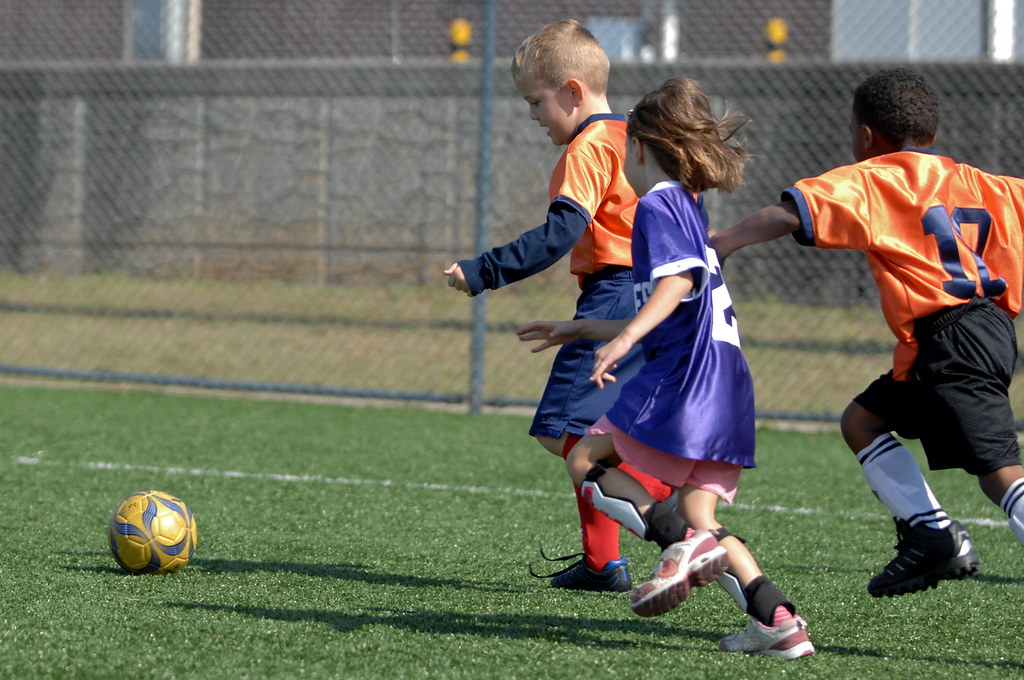
Building Connections Through Sports
One of the most powerful aspects of sports is their ability to bring people together. Communities are increasingly leveraging sports as a medium to:
- Create Bonds: Local teams and events cultivate camaraderie and friendships among participants and spectators.
- Encourage Inclusivity: Sports programs that cater to diverse populations bridge cultural and social gaps.
- Enhance Civic Pride: Successful local teams can boost morale and instill a sense of pride in the community.
Promoting Healthy Lifestyles
As concerns about health and wellness rise, sports play a crucial role in promoting physical activity. Here’s how sports contribute to healthier communities:
- Increased Participation Rates: Community sports initiatives encourage individuals of all ages to engage in physical activities, combatting obesity and related health issues.
- Access to Facilities: Many communities invest in sports infrastructure, providing safe spaces for exercise and recreation.
- Health Education: Sports programs often incorporate health education, teaching participants about nutrition, exercise, and mental well-being.
The Economic Impact of Sports
Sports also have a significant economic impact on local and national levels. As of 2026, here are several ways in which sports contribute to economic growth:
Job Creation
From coaching to event management, sports generate numerous job opportunities. The expansion of sports industries leads to:
- Employment Opportunities: More jobs in various sectors, including administration, coaching, and facility management.
- Support for Local Businesses: Games and events can increase foot traffic to nearby shops and restaurants.
Tourism and Major Events
Hosting major sports events has become a lucrative venture for many cities. The advantages include:
- Boosting Tourism: Events like marathons and championships attract visitors, stimulating local economies.
- Infrastructure Development: Many cities invest in infrastructure to accommodate events, which can benefit residents long-term.
Sports as a Tool for Social Change
Beyond economics and community building, sports have the power to effect social change. The use of sports for advocacy and education is particularly prominent in 2026:
Promoting Equality and Diversity
Sports organizations increasingly champion social justice causes. Key efforts include:
- Gender Equality: Initiatives promoting women in sports have gained traction, ensuring equal opportunities and recognition.
- Racial Equality: Athletes and organizations are vocal about social issues, using their platforms to advocate for positive change.
Youth Development Programs
Many sports programs focus on youth development, teaching life skills through athletics. These programs:
- Instill Values: Sports can teach teamwork, discipline, and leadership skills to young participants.
- Provide Mentorship: Coaches often serve as mentors, offering guidance and support beyond the sport itself.
Conclusion: Embracing the Future of Sports
As we move further into 2026, the transformative power of sports will only continue to grow. Communities, economies, and social movements are intertwined with athletic endeavors. Embracing the multifaceted roles of sports is crucial for building a brighter future for individuals and society as a whole.