Introduction
As we delve into 2026, the landscape of sports sponsorship is undergoing a significant transformation. Companies are rethinking their strategies to align with evolving consumer expectations and the multifaceted nature of sports. This article explores the latest trends in sports sponsorship and how brands can successfully navigate this changing environment.
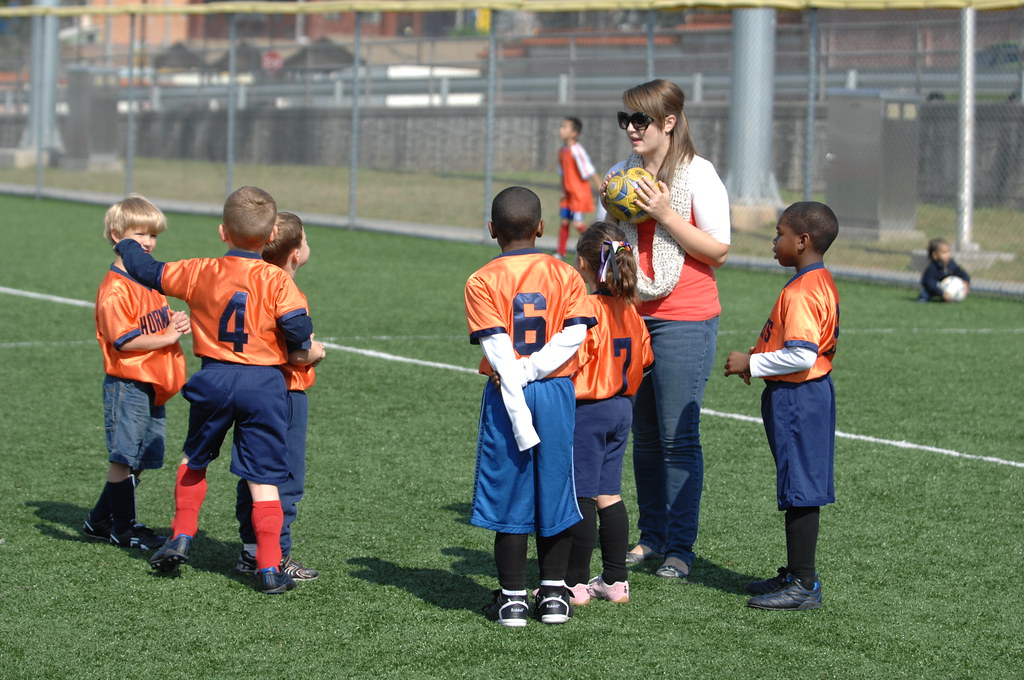
Understanding the Changing Dynamics of Sponsorship
In recent years, the relationship between brands and sports organizations has shifted dramatically. As fans become more discerning and engaged, companies need to adopt innovative approaches to sponsorship that resonate on a deeper level.
1. The Shift Towards Authenticity
In 2026, authenticity is king. Brands are recognizing that consumers value genuine connections over traditional advertising. Here’s how sponsorship is adapting:
- Partnerships with Local Athletes: Brands are increasingly collaborating with local athletes to foster authentic community connections.
- Storytelling in Campaigns: Successful sponsorships now focus on storytelling that highlights shared values and experiences between athletes and fans.
- Transparency in Sponsorship Deals: As consumers demand more openness, brands are sharing insights and details about their sponsorship arrangements.
2. Data-Driven Decision Making
Leveraging data is becoming essential for sports sponsorship success in 2026. Brands can utilize analytics to better understand fan behavior and preferences, leading to more tailored sponsorship strategies.
- Fan Engagement Metrics: Companies are using sophisticated tools to analyze engagement levels across various platforms.
- Targeted Marketing Approaches: Data allows for segmentation of audiences, enabling brands to craft personalized marketing messages that resonate with specific demographics.
3. The Rise of Digital Activations
Digital activations are revolutionizing how brands engage with fans during events. In 2026, virtual experiences are at the forefront of sponsorship strategies:
- Augmented Reality Experiences: Brands are creating immersive experiences that allow fans to engage with the sport in new ways, enhancing their overall experience.
- Interactive Social Media Campaigns: Companies are developing highly interactive content, encouraging fan participation and interaction.
Case Studies of Successful Sponsorship Strategies
Examining successful sponsorship strategies can offer invaluable insights. Here are a few examples of brands that are leading the way in 2026:
1. Local Sports Teams and Businesses
A small business in a city partnered with its local soccer team, focusing on community engagement. They created campaigns that allowed fans to participate in local initiatives, strengthening brand loyalty and community ties.
2. Global Brands with Niche Athletes
A global sportswear brand shifted its focus from mainstream athletes to niche competitors, such as extreme sports athletes. This move attracted a younger demographic eager for authenticity and unique stories.
Navigating Challenges in Sports Sponsorship
While there are opportunities in the evolving landscape of sports sponsorship, brands also face several challenges:
1. The Oversaturation of Sponsorships
As more brands enter the sponsorship arena, standing out becomes increasingly difficult. Companies must find unique angles and creative approaches to capture audience attention.
2. Consumer Skepticism
With heightened awareness about brand ethics, consumers might be skeptical of sponsorships perceived as purely commercial. Brands need to engage meaningfully with the communities they serve.
The Future of Sports Sponsorship
Looking ahead, it’s clear that the future of sports sponsorship will require an evolution of strategies:
- Increased Focus on Diversity and Inclusion: Brands that prioritize diversity in their sponsorships and representation will resonate more effectively with today’s consumers.
- Sustainability Initiatives: Aligning sponsorship with sustainability goals can attract environmentally-conscious consumers, positioning brands as leaders in responsible corporate behavior.
Conclusion
The sports sponsorship landscape in 2026 is more dynamic than ever. Brands that embrace authenticity, leverage data, and prioritize community engagement will thrive in this evolving environment. As the relationship between sports and business continues to deepen, innovative thinking will be key to achieving sponsorship success in the years to come.