Introduction
As we delve into 2026, the significance of grassroots sports is more pronounced than ever. These foundational programs not only nurture young talent but also lay the groundwork for healthy communities and active lifestyles. In this article, we will explore how grassroots sports are transforming the landscape of athletics, fostering talent, and promoting inclusivity.
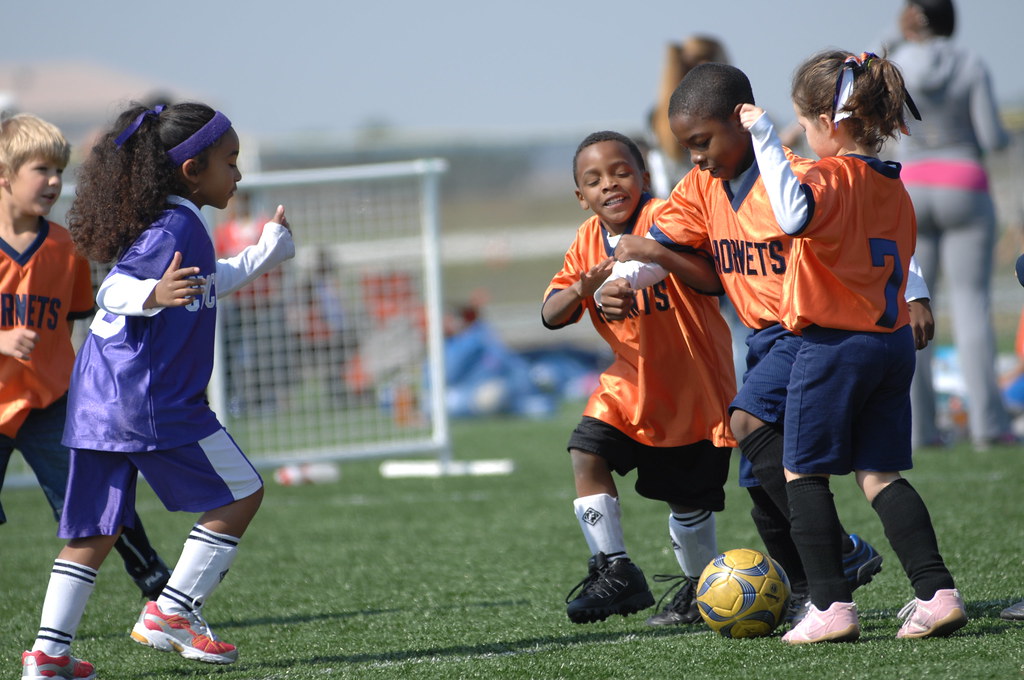
What are Grassroots Sports?
Grassroots sports refer to community-level sports programs that focus on participation, skill development, and personal growth rather than competition alone. These initiatives often cater to children and adolescents and serve as an entry point into athletic pursuits. The benefits extend beyond the field, promoting physical health, social skills, and community involvement.
The Importance of Grassroots Sports in 2026
The year 2026 has witnessed a renewed appreciation for grassroots sports. Here’s how they are making an impact:
- Encouraging Physical Activity: In a world increasingly dominated by technology, grassroots programs are essential for encouraging physical activity among youth. They provide structured environments where children and teens can engage in sports regularly.
- Skill Development: Grassroots sports focus on teaching fundamental skills that are crucial for any athlete. Learning the basics at a young age ensures that athletes can pursue higher levels of competition in the future.
- Building Community: Grassroots sports bring together families, fostering a sense of community. They create environments where parents, coaches, and players work together towards common goals.
- Fostering Inclusivity: Programs are increasingly designed to be inclusive, welcoming children of all backgrounds and abilities. This is particularly important in 2026, as society continues to strive for greater diversity in sports.
The Evolution of Grassroots Sports Programs
Grassroots sports programs have evolved to adapt to the changing needs and dynamics of society. Here are some trends that have emerged:
1. Emphasis on Inclusivity
In recent years, there’s been a strong push towards inclusivity in grassroots sports. Programs are being designed to cater to children with disabilities, ensuring that everyone has the opportunity to participate in athletics.
2. Partnerships with Schools
Schools are increasingly partnering with local sports organizations to provide after-school programs that combine education with athletics. This collaboration helps in reaching a wider audience and providing resources for skill development.
3. Enhanced Training Techniques
With advancements in sports science, grassroots coaches are employing new training techniques. These methods focus on holistic development, considering not just the physical but also the mental and emotional well-being of young athletes.
How Grassroots Sports Prepare Athletes for the Future
Grassroots sports serve as a stepping stone for many athletes. Here’s how they prepare individuals for future success in the world of sports:
- Pathways to Competition: Many professional athletes start their journey in grassroots programs. These initiatives provide a pathway to competitive sports by offering foundational skills.
- Networking Opportunities: Grassroots sports often serve as networking platforms for young athletes, connecting them with coaches, mentors, and scouts.
- Life Skills Development: Participation in sports teaches valuable life skills such as teamwork, discipline, and resilience, which are essential for success both in and out of sports.
Community Engagement Through Grassroots Sports
Engagement at the community level is vital for the sustainability of grassroots sports programs. Here are some effective strategies communities are employing:
1. Local Sponsorships
Engaging local businesses to sponsor grassroots sports teams can significantly enhance funding and resources available for programs. This partnership can also provide businesses with a platform to demonstrate their commitment to community well-being.
2. Volunteer Coaching Programs
Encouraging community members to become volunteer coaches strengthens ties within the community and helps to reduce program costs. Volunteers bring passion and local knowledge, greatly enriching the youth sports experience.
3. Organizing Community Events
Hosting community events and tournaments can not only raise awareness about grassroots sports but also foster community spirit and encourage participation from families.
Challenges Facing Grassroots Sports in 2026
While grassroots sports are flourishing, they are not without challenges:
- Funding Issues: Many grassroots programs face financial constraints, limiting their ability to provide quality equipment and coaching.
- Retention of Participants: Keeping young athletes engaged in sports as they grow older can be challenging, especially when faced with academic pressures and other interests.
- Access to Facilities: In some communities, access to adequate sports facilities can be a significant barrier to participation.
Conclusion
As we navigate through 2026, the role of grassroots sports continues to be paramount in shaping the future of athletics. By fostering inclusivity, encouraging physical activity, and building community, grassroots programs lay the foundation for a healthier society and a new generation of athletes. Investing in these initiatives not only benefits individual participants but enriches the community as a whole, making a lasting impact for years to come.