The Rise of Adaptive Sports
As we dive into the landscape of sports in 2026, one of the most remarkable trends is the rise of adaptive sports. Adaptive sports are designed for individuals with disabilities, promoting inclusivity and showcasing the remarkable abilities of all athletes. This movement not only highlights their incredible talents but also fosters a culture of acceptance and support.
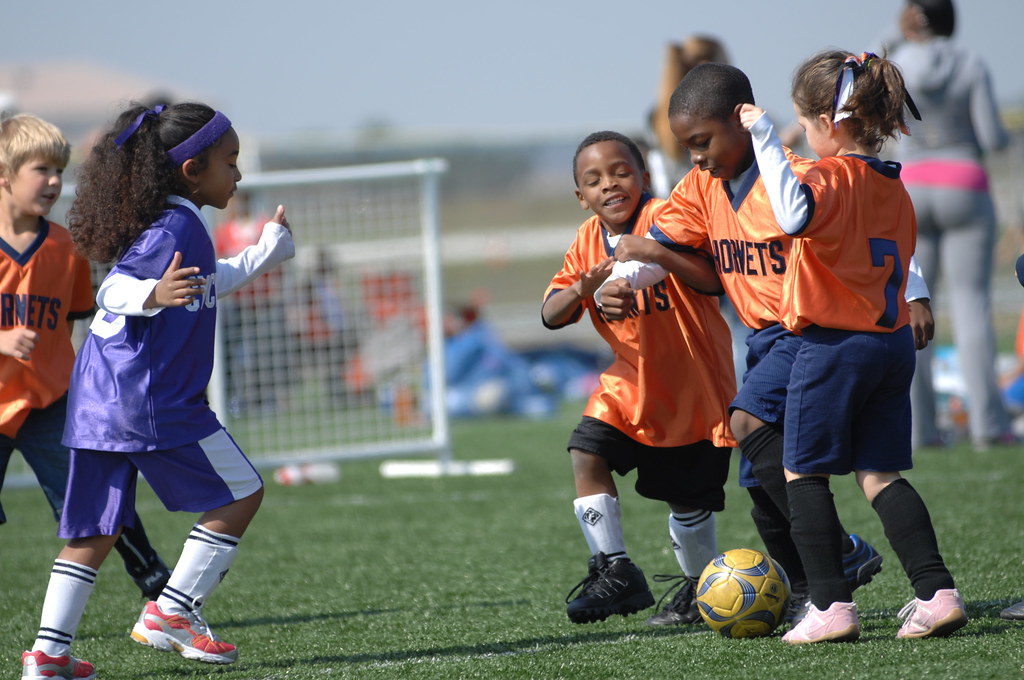
What Are Adaptive Sports?
Adaptive sports are physical activities modified to enable participation by individuals with disabilities. These sports can range from wheelchair basketball and sitting volleyball to adaptive skiing and swimming. Advanced techniques and equipment, such as specialized wheelchairs and adaptive devices, have made it possible for athletes of all abilities to compete at high levels.
The Impact of Adaptive Sports on Communities
The emergence of adaptive sports has significantly impacted local and global communities. Here are some key areas of influence:
- Community Engagement: Adaptive sports programs have increased community involvement and awareness. Local clubs and organizations often host events that draw in spectators and participants alike, fostering a sense of unity.
- Breaking Stereotypes: By showcasing the talent of athletes with disabilities, adaptive sports help to dismantle stereotypes and perceptions about what individuals can accomplish, encouraging a shift in societal attitudes.
- Opportunities for All: Adaptive sports provide opportunities for athletes who may have previously felt excluded from traditional sporting events. This opens doors for personal growth, skill development, and competitive success.
Benefits of Participating in Adaptive Sports
Participating in adaptive sports offers numerous benefits that go beyond just physical fitness:
- Physical Health: Regular engagement in sports enhances physical health, improving endurance, strength, and overall well-being.
- Mental Well-Being: The psychological benefits of sport are significant. Adaptive sports help in building self-esteem, reducing anxiety, and promoting a positive self-image.
- Social Connections: Athletes often form strong bonds with teammates and coaches, creating a support network that extends beyond the sporting arena.
Adaptive Sports and Technological Innovation
The evolution of adaptive sports in 2026 has also been fueled by technological advancements. Innovations in sports equipment have made a substantial difference:
- Custom Equipment: Manufacturers are now creating personalized gear for athletes, ensuring they have the tools needed to excel in their sports.
- Assistive Technology: Breakthroughs in assistive technology, such as smart wheelchairs and performance-tracking apps, have allowed athletes to train more effectively and monitor their progress.
- Virtual Training: Remote training programs and virtual competitions have gained popularity, especially in the wake of global events that restricted in-person gatherings.
Examples of Adaptive Sports to Watch
As adaptive sports gain traction, several events have garnered national and international attention:
- Paralympic Games: The Paralympics continue to be one of the most celebrated platforms for adaptive athletes, showcasing a wide range of sports that highlight their skills and achievements.
- World Championships: Various world championships for adaptive sports are held annually, with competitions in athletics, swimming, and winter sports.
- Local Leagues: Many communities have established local leagues that host regular competitions, further promoting grassroots involvement in adaptive sports.
The Future of Adaptive Sports
Looking ahead, the future of adaptive sports in 2026 and beyond seems promising. Efforts to improve accessibility, increase funding, and raise awareness about adaptive sports will continue to shape the landscape:
- Increased Funding: More sponsors and partnerships are recognizing the value of adaptive sports, leading to greater financial support for programs and athletes.
- Awareness Campaigns: Educational initiatives aimed at promoting inclusive sports are being developed to foster a deeper understanding of the importance of adaptive sports.
- Enhanced Participation: As adaptive sports gain popularity, there is a growing emphasis on expanding participation opportunities for youth and adults alike.
Conclusion
In 2026, adaptive sports are more than just a niche within the broader world of sports—they represent a movement toward inclusivity and acceptance. By embracing adaptive sports, we not only celebrate the extraordinary talents of all athletes but also encourage a culture of support and community that enriches our society as a whole. Whether as an athlete, supporter, or spectator, everyone has a role to play in championing this vital aspect of our sporting world.