The Connection Between Sports and Culture
In 2026, the relationship between sports and culture has evolved into a powerful force shaping communities and fostering diversity. Sports have transcended mere competition; they have become a symbol of cultural identity, unity, and social change.
The Role of Sports in Cultural Identity
Across the globe, various sports reflect the unique cultural heritage of different regions. From ancient games to contemporary competitions, these activities serve as a bridge that connects people to their roots. As we embrace the significance of cultural identity, sports have emerged as a platform for expressing pride and heritage.
- Indigenous Games: Many indigenous communities are reviving traditional games, highlighting their cultural significance and promoting community engagement.
- National Pride: International events like the Olympics and World Cups evoke national pride, where athletes become ambassadors of their cultures.
- Globalization: The globalization of sports has led to the fusion of various cultural elements, creating a unique sporting experience that respects and celebrates diversity.
Social Change and Advocacy Through Sports
In recent years, athletes have leveraged their platforms to advocate for social change. Sports organizations and players are becoming increasingly vocal about issues such as racism, inequality, and health. This advocacy plays a significant role in raising awareness and mobilizing communities around critical social issues.
- Players as Activists: Athletes like LeBron James and Megan Rapinoe have emerged as activists, using their influence to fight for social justice and equality.
- Community Involvement: Many sports teams collaborate with local organizations to address social issues, organizing events and awareness campaigns to engage their communities.
- Health and Wellness Initiatives: Sports are now recognized as a means to promote health and well-being, leading to initiatives that encourage physical activity and mental health awareness.
Community Engagement Through Sports Events
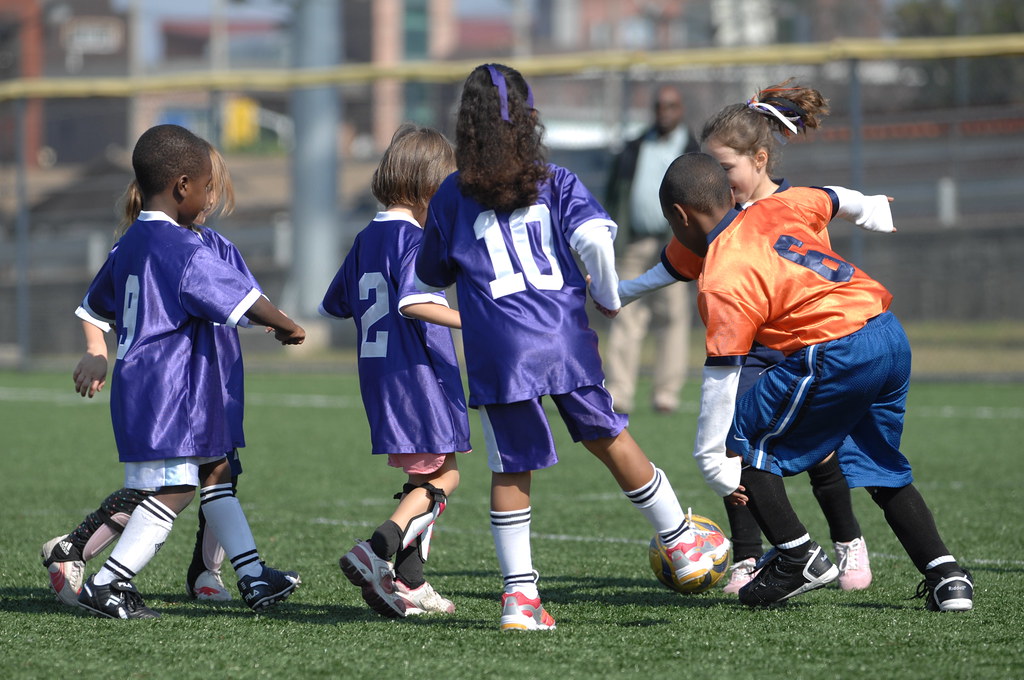
Sports events enable communities to come together, fostering connections and a sense of belonging. Whether through local leagues or major tournaments, these events provide platforms for interaction and engagement.
- Local Competitions: Grassroots competitions are thriving, bringing residents together and promoting local talent while enhancing community spirit.
- Sporting Festivals: Festivals celebrating sports culture, such as street soccer tournaments or marathon events, attract diverse groups and enhance social cohesion.
- Volunteer Programs: Many sporting events rely on volunteers from the community, providing opportunities for residents to engage and contribute to something larger than themselves.
The Economic Impact of Sports on Communities
The economic implications of sports extend beyond ticket sales and merchandise. In 2026, sports are a catalyst for local economies, contributing to job creation and community development.
- Job Creation: The sports industry has seen a significant rise in job opportunities, from coaching and administration to hospitality and event management.
- Tourism Boost: Sporting events attract tourists, providing a substantial economic boost to local hotels, restaurants, and businesses.
- Investment in Infrastructure: Communities often invest in sports infrastructure, such as stadiums and sports complexes, which benefit residents long after events conclude.
The Future of Sports in Community Building
As we look toward the future, the role of sports in community building will continue to grow. The ongoing integration of technology and innovative approaches will facilitate greater participation and connection among diverse populations.
- Inclusion Initiatives: Efforts to include underrepresented groups in sports will be pivotal in fostering a sense of belonging in communities.
- Digital Engagement: Technology will enhance interaction among fans and athletes, making sports more accessible and engaging for everyone.
- Global Collaborations: Partnerships between local and international sports organizations will encourage cultural exchanges, enriching the sports experience.
Conclusion
In conclusion, the cultural impact of sports in 2026 reflects a significant shift towards community engagement and social advocacy. As sports continue to unite diverse individuals and cultures, they will play an increasingly important role in shaping a more inclusive and connected world. Embracing the power of sports not only enhances athletic performance but also strengthens the very fabric of our communities.