The Rise of Women’s Sports: A 2026 Overview
In recent years, the landscape of women’s sports has transformed significantly. By 2026, women’s sports have not only gained visibility but have also become a key component of the global sports narrative. This article explores the profound changes and developments that have shaped women’s engagement in sports over the last few years.
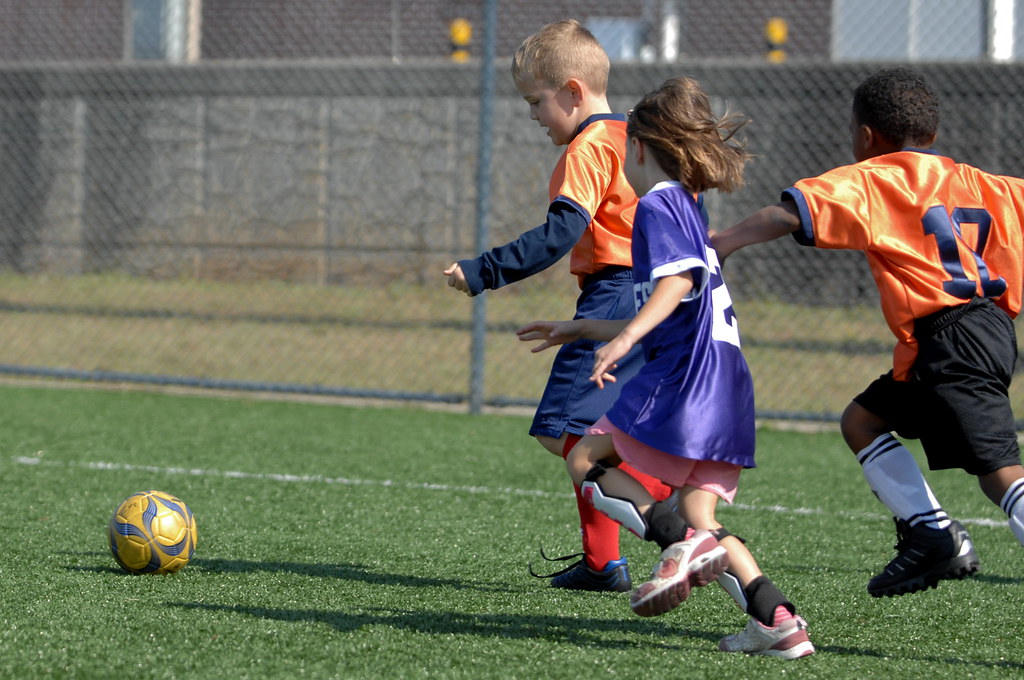
Increased Participation and Professionalism
One of the most notable shifts is the increased participation of women at all levels of sports, from grassroots to professional. Several contributing factors include:
- Enhanced Support Structures: Organizations and governing bodies have introduced initiatives aimed at promoting female participation in various sports.
- Professional Leagues: The growth of women’s professional leagues across sports such as soccer, basketball, and cricket has led to higher visibility and opportunities for female athletes.
- Sponsorship Deals: Increased brand interest in women’s sports has led to better funding and resource allocation, allowing female athletes to train and compete at higher levels.
Breaking Barriers: Media Representation
The media’s role in women’s sports has evolved, with significant advances in coverage and representation:
- Broadcasting Rights: Major networks are now dedicating time slots exclusively for women’s sports, showcasing games and events previously sidelined.
- Documentaries and Features: The production of documentaries that focus on female athletes has contributed to building stars and narratives that resonate with audiences.
- Social Media Impact: Many female athletes use platforms like Instagram and Twitter to connect with fans directly, promoting their sports and causes.
Education and Grassroots Initiatives
Grassroots programs and educational initiatives have played a crucial role in the development of women’s sports:
- Youth Programs: Schools and local organizations have implemented sports programs specifically designed to encourage girls to participate actively.
- Scholarships: Increased scholarships for female athletes in colleges and universities have opened doors for higher education opportunities through sports.
- Empowerment Campaigns: Campaigns aimed at empowering girls through sports have shown significant positive impacts on self-esteem and personal development.
Challenges Still Ahead
Despite the progress, several challenges remain that need addressing to continue paving the way for women’s sports:
- Pay Disparity: Although some professional leagues have made strides, disparities in pay between male and female athletes still exist.
- Stereotypes and Bias: Cultural perceptions continue to impact the way women in sports are viewed, which can deter participation and support.
- Injury Management: As with all sports, women face specific injury risks that require tailored approaches to treatment and prevention.
Future Directions
Looking forward, the future of women’s sports appears promising:
- Advocacy for Equality: Female athletes and advocates are increasingly vocal about equity in sports, pushing for changes that benefit all women.
- Technological Integration: Innovations such as wearable technology are being adapted to help female athletes track performance metrics specifically relevant to their physiology.
- Collaborations: Partnerships between female athletes and brands are fostering new avenues of growth and visibility.
Conclusion
The evolution of women’s sports up to 2026 has been remarkable. With a stronger presence, more professional opportunities, and greater media representation, female athletes are on a path to redefine what success looks like in the world of sports. Continued support and advocacy are crucial to overcome remaining challenges and to ensure that the momentum of women’s sports not only persists but flourishes in the years to come.