Introduction
The landscape of women’s sports has experienced significant transformation over the past few years. As we step into 2026, it’s essential to explore the opportunities and challenges that lie ahead for female athletes. This article will delve into the progress made, the barriers still present, and the prospects for the future of women in sports.
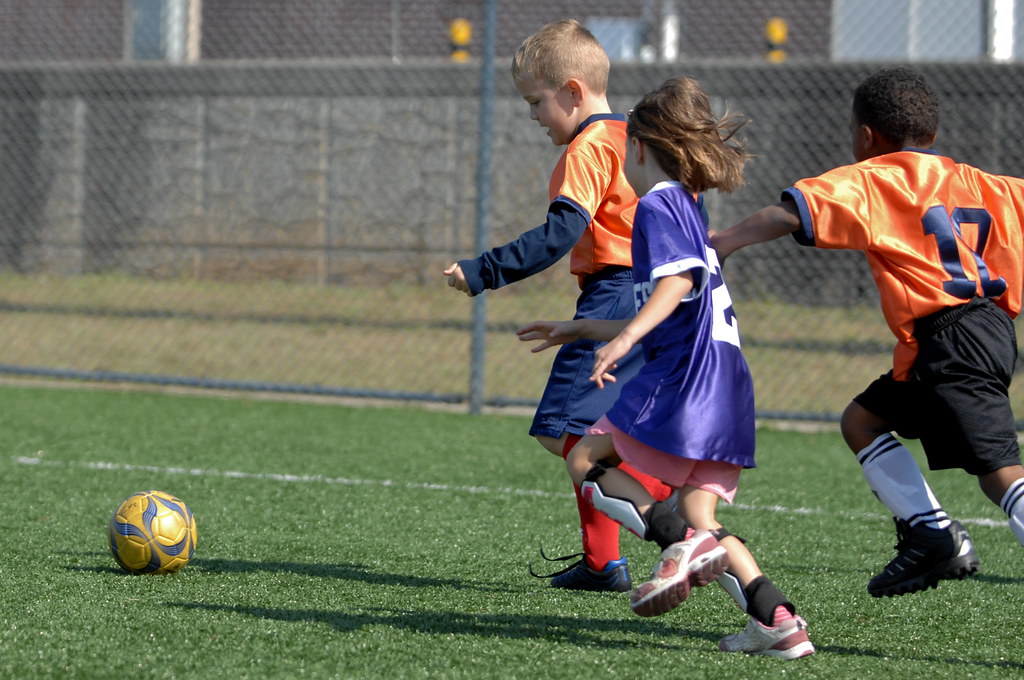
The Rise of Women’s Participation in Sports
Women have made remarkable strides in sports participation since the early 20th century. The increasing visibility of women athletes in various sports has encouraged more girls to engage in physical activities.
Statistics Highlighting Growth
- Women’s participation in sports has increased by over 50% since 2020.
- Title IX legislation and similar initiatives in various countries have played a crucial role in leveling the playing field.
- Major sports leagues are investing billions into women’s competitions, resulting in higher salaries and improved facilities.
Opportunities for Growth
The future holds an array of opportunities for women in sports, from professional leagues to grassroots initiatives.
Professional Sports Leagues
Leagues such as the Women’s National Basketball Association (WNBA) and the National Women’s Soccer League (NWSL) have gained immense popularity, attracting sponsorships and media coverage. As these leagues continue to grow, aspiring female athletes can expect:
- Increased financial investments leading to better pay and support.
- More visibility through televised events and social media.
- Opportunities for sponsorship deals and endorsements.
Grassroots Initiatives
At the grassroots level, community programs focused on women’s sports are burgeoning. Local initiatives aim to:
- Encourage young girls to participate in sports from an early age.
- Provide training and resources for coaching female athletes.
- Foster safe and inclusive environments for participation.
Challenges Still Ahead
Despite the progress, several challenges remain in ensuring equitable opportunities for women in sports.
Media Representation
Media coverage of women’s sports is still disproportionate compared to men’s sports. This lack of representation hinders the visibility and support female athletes receive.
Gender Stereotyping
Gender stereotypes continue to influence perceptions of women in sports. Society often views female athletes through a different lens, which can impact their sponsorship opportunities and media portrayal.
Strategies to Overcome Barriers
Addressing these challenges requires a concerted effort from various stakeholders.
Enhanced Media Engagement
Promoting women’s sports through dedicated media channels and platforms can help improve visibility. Sports organizations should invest in:
- Creative storytelling that highlights women’s achievements.
- Collaboration with media outlets to ensure comprehensive coverage of women’s events.
- Utilizing social media to reach broader audiences and engage fans.
Educational Programs
Implementing educational programs that emphasize gender equality in sports can change societal perceptions. Schools and organizations should prioritize:
- Workshops on the importance of female participation in sports.
- Training for coaches to create inclusive teams.
- Events that celebrate women’s sports history and achievements.
Conclusion
The future of women in sports looks promising, with significant opportunities for growth alongside existing challenges. By continuing to break down barriers, increase visibility, and promote inclusivity, we can ensure that female athletes have the support and recognition they deserve in 2026 and beyond.