Understanding Adaptive Sports
Adaptive sports are designed to provide athletes with disabilities the opportunity to participate in sports at competitive and recreational levels. This inclusive approach is gaining momentum in 2026, as communities recognize the importance of accessibility and support for individuals with varying abilities.
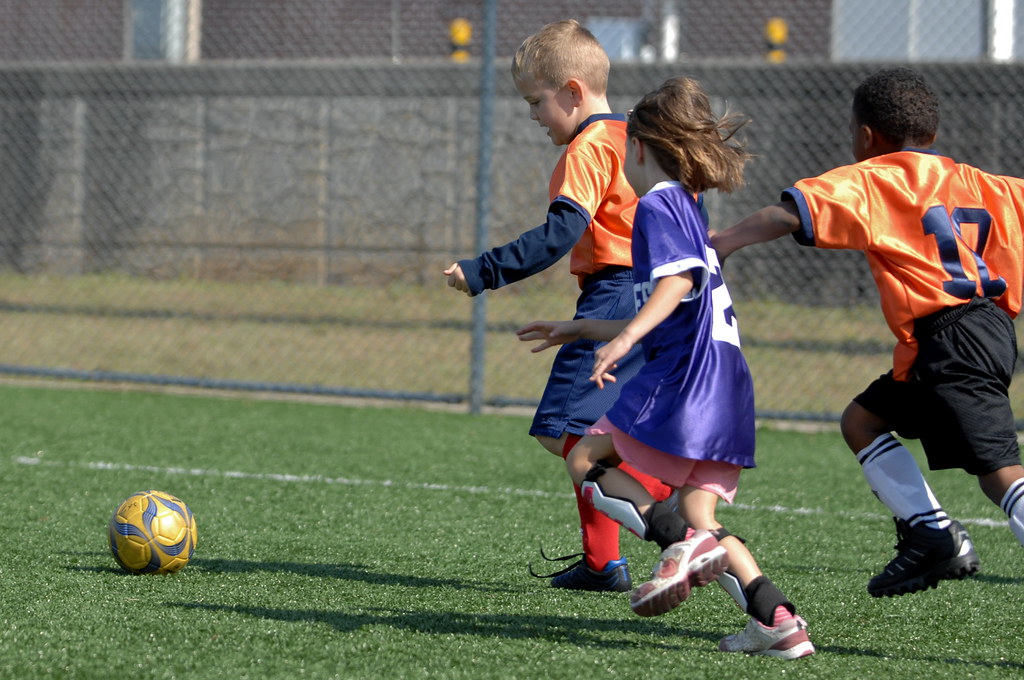
The Growth of Adaptive Sports Programs
In recent years, there has been a significant increase in adaptive sports programs across schools, local clubs, and national organizations. This growth is attributed to:
- Increased Awareness: The public’s awareness of the importance of inclusivity has led to more support for adaptive sports initiatives.
- Funding and Sponsorship: Major corporations and foundations are investing in adaptive sports, recognizing the value of promoting diversity and inclusion.
- Community Engagement: Local communities are actively participating in and supporting adaptive sports events, helping to foster a sense of belonging.
Popular Adaptive Sports in 2026
As we look at the landscape of adaptive sports, several disciplines have emerged as front-runners:
- Adaptive Basketball: With modified rules and equipment, adaptive basketball leagues have become increasingly competitive.
- Para-Snowboarding: The Winter Paralympics have propelled para-snowboarding into the spotlight, with athletes showcasing incredible talent and determination.
- Wheelchair Rugby: Known for its intensity, wheelchair rugby combines athleticism and strategy, drawing large audiences and support.
- Adaptive Rowing: This sport has seen real growth, with amenities like custom boats making the activity more accessible.
Benefits of Adaptive Sports
Participating in adaptive sports offers numerous benefits:
- Enhanced Physical Health: Regular participation helps improve overall health and fitness levels among athletes.
- Boosted Mental Well-Being: Engaging in sports can combat feelings of isolation and depression, promoting mental health.
- Social Connections: Adaptive sports lead to new friendships and networks that foster support and camaraderie.
- Skill Development: Athletes develop not just physical skills but also teamwork, discipline, and resilience.
Challenges Facing Adaptive Sports
Despite these benefits, adaptive sports still face several challenges:
- Lack of Facilities: Many communities lack the facilities needed to support adaptive sports, limiting opportunities.
- Awareness and Education: There is still a gap in public knowledge regarding adaptive sports, which can affect participation and support.
- Funding Limitations: While support is growing, many adaptive sports programs struggle with securing consistent funding.
The Future of Adaptive Sports
Looking ahead, adaptive sports are poised for further growth and recognition:
- Increased Media Coverage: As more events gain attention, adaptive sports will likely receive more media coverage, helping to elevate the athletes and their stories.
- Technological Advances: Continued innovations in adaptive equipment will enhance performance and accessibility for athletes.
- Integration in Schools: More schools are beginning to include adaptive sports in their curriculums, promoting inclusivity from a young age.
Conclusion
As we move through 2026, the rise of adaptive sports highlights the growing commitment to inclusivity and the celebration of diverse abilities. With continued support, funding, and awareness, adaptive sports have the potential to inspire and transform lives for many athletes around the globe.