Introduction
As we navigate through 2026, the intersection of sports and cultural identity has never been more pronounced. The influence of athletics extends beyond the playing field; it shapes societal values, community engagement, and personal identity. This article delves into how sports contribute to cultural narratives and foster a sense of belonging, particularly in an increasingly globalized world.
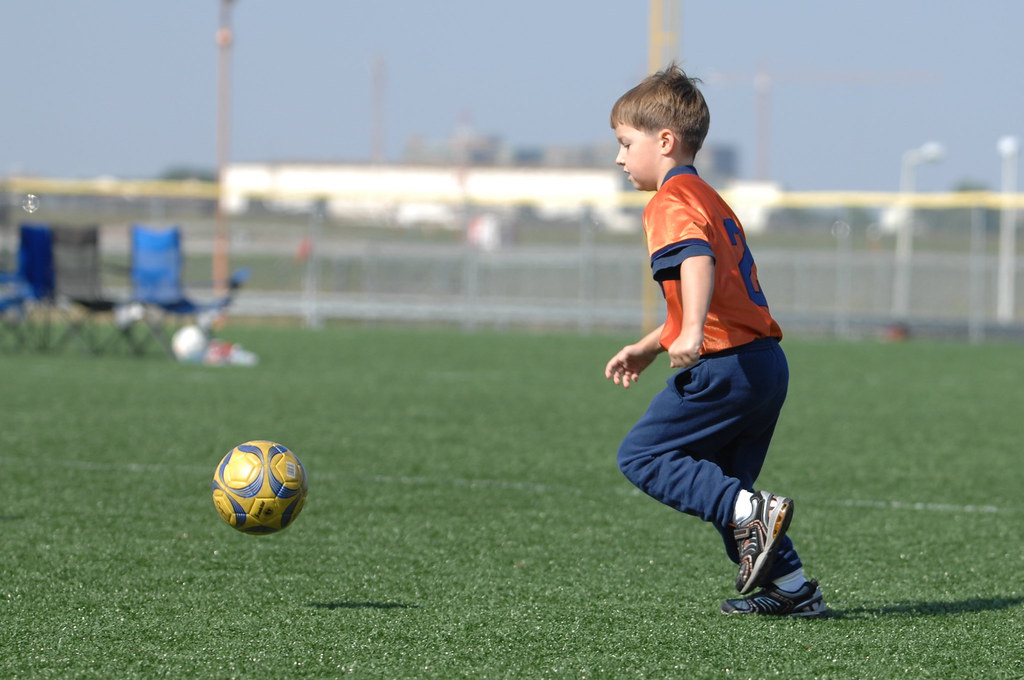
The Global Influence of Sports
In our interconnected society, sports serve as a common language, bridging diverse cultures. Major international events like the Olympics and the FIFA World Cup not only showcase athletic prowess but also highlight global unity, national pride, and cultural exchange.
National Identity and Pride
For many countries, sporting events are moments of national pride. The success of national teams can evoke deep feelings of patriotism and collective identity among citizens.
- The Olympics: Events like the Olympics represent more than just competition; they symbolize hope, resilience, and the spirit of a nation.
- World Cup Fever: Soccer’s World Cup rallies entire nations, transforming fans into a unified front cheering for their representatives.
Cultural Representation
Sports often act as a platform for cultural representation, allowing athletes from various backgrounds to share their heritage with the world.
- Diverse Role Models: Athletes like Serena Williams and LeBron James not only excel in their fields but also advocate for cultural pride and social justice.
- Traditional Sports: Indigenous and local sports, such as sepak takraw or kabaddi, gain visibility, fostering appreciation for diverse cultural practices.
Community Engagement Through Sports
Sports play a pivotal role in community building, providing a space for social interaction, cooperation, and shared experiences.
Grassroots Initiatives
In 2026, grassroots sports initiatives are essential in nurturing local talent and fostering community spirit.
- Community leagues: Local soccer, basketball, and other leagues encourage participation and build friendships within neighborhoods.
- Non-profit organizations: Many non-profits focus on using sports as a tool for community development, promoting inclusivity and participation for all.
Sports as a Tool for Social Change
Many athletes and organizations use their platforms to address social issues, from racial equality to mental health awareness.
- Activism in Sports: Athletes advocate for change, leveraging their visibility to inspire activism and community involvement.
- Health and Wellness Programs: Community sports programs often incorporate health education, promoting physical and mental well-being.
The Personal Journey of Identity and Belonging
Participation in sports can significantly influence personal identity and self-esteem.
Building Confidence
Engaging in sports can foster self-confidence, especially among youth.
- Skill Development: Mastering new skills can boost self-esteem, while teamwork teaches collaboration and social skills.
- Overcoming Challenges: Athletes learn resilience through both victories and losses, shaping their character and personal narrative.
Cultural Identity
Through sports, individuals often explore and express their cultural identities.
- Team Jerseys and Colors: Wearing team colors or jerseys can instill a sense of belonging and pride in one’s culture.
- Community Festivals: Sporting events often coincide with cultural festivals, enhancing the connection between sports and cultural heritage.
The Future of Sports and Cultural Identity
As we look ahead to the coming years, the role of sports in shaping cultural identity will likely evolve.
Technological Integration
Advancements in technology will continue to impact how sports are consumed and experienced.
- Virtual Participation: With the rise of virtual reality, fans can engage with sports in immersive ways, transcending geographical barriers.
- Social Media Influence: Platforms will further amplify athletes’ voices, allowing for greater cultural dialogue and representation.
Global Events and Cultural Exchange
International sporting events will further serve as platforms for cultural exchange, fostering understanding and unity among diverse populations.
- Increased Participation: More countries will participate in various sports, promoting global representation and cultural exchange.
- Collaborative Events: Innovative competitions that blend different sports and cultures could emerge, enriching the global sporting landscape.
Conclusion
The relationship between sports and cultural identity is a dynamic and evolving narrative. As we move further into 2026, the power of sports to influence cultural identity, community engagement, and personal growth remains a vital part of the human experience. By acknowledging and fostering this relationship, we can ensure that sports continue to serve as a catalyst for cultural understanding and community development.