Introduction
In 2026, as sports continue to captivate hearts and minds globally, the focus on sportsmanship as a fundamental pillar of competitive play is more relevant than ever. Sportsmanship fosters respect, fairness, and integrity among participants, and its role in building character cannot be understated. As we delve into the essence of sportsmanship, we will explore its importance across various sports, the impact on youth development, and how it shapes the future of competitive play.
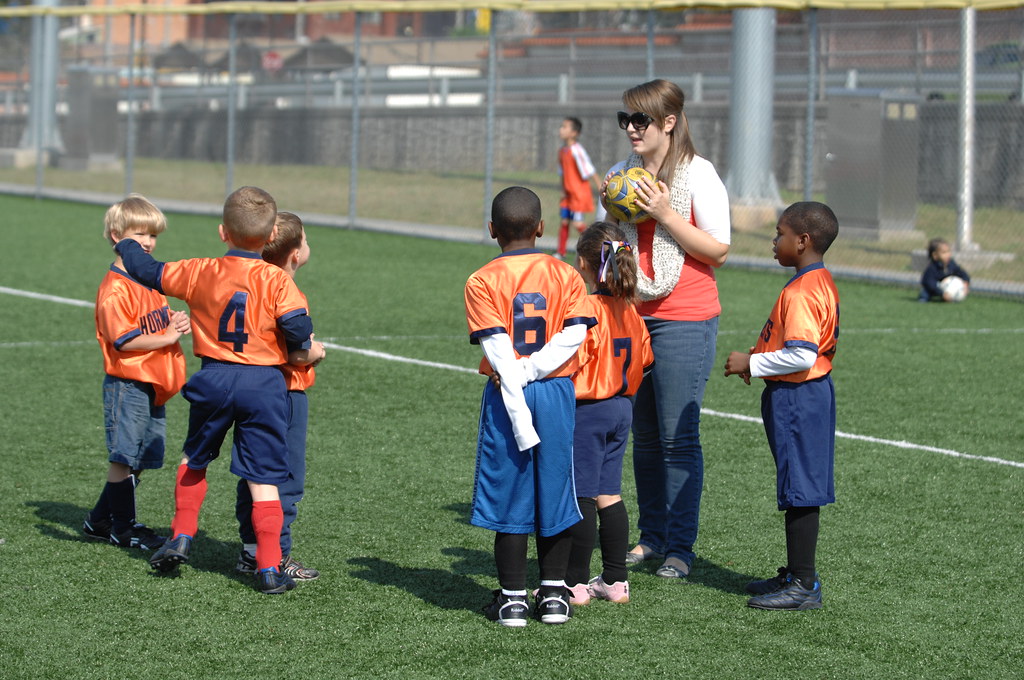
The Essence of Sportsmanship
Defining sportsmanship goes beyond the basic notion of playing fair. It embodies a set of values including:
- Respect: Valuing opponents, officials, and the game itself.
- Integrity: Adhering to the rules and spirit of the game.
- Compassion: Demonstrating empathy towards others, especially in defeat.
- Graciousness: Accepting victories and defeats with dignity.
These qualities create an environment where athletes can thrive, regardless of the outcome of the competition.
The Role of Youth Sports in Promoting Sportsmanship
Youth sports serve as a critical platform for instilling values of sportsmanship. In 2026, many organizations are adopting programs that emphasize character-building through athletic engagement. Here are some impactful strategies:
- Coaching Education: Training coaches to emphasize sportsmanship in their teachings can significantly influence young athletes’ attitudes.
- Parent Involvement: Educating parents on the importance of modeling sportsmanship behaviors can create a supportive environment for young players.
- Team Building Activities: Engaging athletes in team-building exercises that focus on communication and respect can strengthen camaraderie and sportsmanship.
Measuring Impact: Success Stories from 2026
As sports organizations prioritize sportsmanship, success stories emerge across various leagues:
- Community Engagement: Local leagues in various regions have reported a decline in unsportsmanlike conduct due to dedicated sportsmanship programs.
- Peer Recognition: Initiatives that allow athletes to nominate peers who exemplify sportsmanship have gained traction, enhancing community spirit.
- Scholarship Opportunities: Programs that reward athletes for demonstrating sportsmanship have created incentives for young players to prioritize character over competition.
Sportsmanship in Professional Sports
The impact of sportsmanship extends to professional sports, where athletes are often seen as role models. The events of 2026 showcase how professional leagues are addressing this issue:
- Awareness Campaigns: Professional leagues are launching campaigns to reinforce the importance of sportsmanship, highlighting players who exemplify these values.
- Veteran Leadership: Encouraging seasoned athletes to mentor younger ones, promoting a culture of respect and integrity.
- Fan Engagement: Engaging fans in discussions around sportsmanship, reinforcing the idea that how we celebrate victories and handle defeats reflects our character.
The Future of Sportsmanship
Looking ahead, the landscape of sportsmanship in competitive play is poised for evolution. Key trends to watch include:
- Increased Focus on Mental Resilience: Recognizing that sportsmanship extends to how athletes handle pressure and maintain composure.
- Technology and Sportsmanship: Integrating technology to foster positive fan interactions and discourage negative behavior in stadiums and online.
- Global Sportsmanship Initiatives: Leveraging international platforms to promote a universal standard for fair play and mutual respect.
Conclusion
As we embrace the world of sports in 2026, prioritizing sportsmanship will be essential for nurturing future generations of athletes. The lessons learned through sportsmanship not only enhance the experience of competitive play but also cultivate character traits that extend beyond the field. In a world where competition is fierce, let us remember that how we play the game defines us far more than the score.