The Evolution of Sports Safety: Innovations and Trends Shaping Athlete Protection in 2026
As we navigate through 2026, the landscape of sports safety has undergone significant transformations. From advancements in protective gear to the implementation of new protocols, ensuring the safety of athletes has become a top priority for organizations and communities alike. This article explores the key trends and innovations in sports safety that are shaping the future of athletic participation.
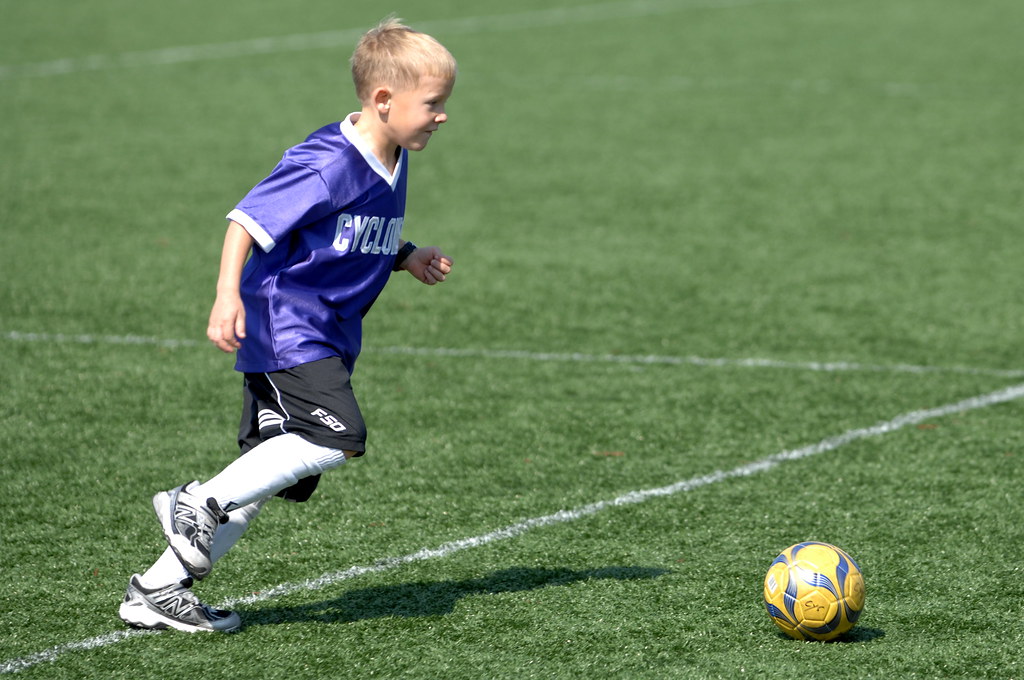
The Importance of Safety in Sports
The importance of safety in sports cannot be overstated. With increasing awareness of injuries, particularly concussions and other trauma-related conditions, athletes, coaches, and parents are more vigilant than ever. Ensuring a safe environment is essential for athletes of all ages to thrive and enjoy their sport. By focusing on safety, sports organizations can help reduce the risk of injury, promote long-term health, and enhance the overall experience.
Innovations in Protective Gear
One of the most notable trends in sports safety is the ongoing innovation in protective gear. Manufacturers are constantly developing materials and designs that prioritize both performance and safety. Here are some key advancements:
- Smart Helmets: Many sports, including football and hockey, have adopted smart helmets equipped with sensors that monitor impact levels and alert coaching staff about potential concussions.
- Lightweight Body Armor: Emerging technologies have led to the design of lightweight armor that provides enhanced protection without sacrificing mobility. These materials are often breathable and flexible, accommodating athletes’ movements.
- Wearable Technology: Devices that monitor vital signs, movement patterns, and fatigue levels provide valuable data that can help coaches make informed decisions regarding an athlete’s readiness to play.
Implementing Safety Protocols
Advancements in equipment are important, but ensuring athlete safety also relies heavily on proper protocols. Many leagues and schools are implementing comprehensive safety strategies that include:
- Enhanced Training Programs: Coaches and trainers are undergoing training to better recognize the signs of injury, particularly concussions. Programs emphasize how to assess and respond to injuries effectively.
- Mandatory Safety Checks: Regular safety check-ups for equipment and facilities have become routine. Athletes are encouraged to report any concerns regarding their gear or playing conditions.
- Emergency Action Plans: Establishing clear emergency action plans for sporting events ensures that immediate care is available in critical situations.
The Role of Education and Awareness
Educating athletes, parents, and coaches about the risks involved in sports and the importance of safety measures is crucial. Many organizations are launching awareness campaigns to address:
- Injury Education: Information about common sports injuries and prevention strategies helps to arm athletes and their families with knowledge.
- Mental Health Awareness: Safety in sports extends beyond physical protection. Fostering a culture that prioritizes mental well-being is vital, especially in high-pressure environments.
- Community Involvement: Encouraging community involvement in safety initiatives helps to create a supportive environment for athletes and can lead to better funding for safety equipment and resources.
Future Trends in Sports Safety
As we look ahead, several trends are likely to further influence sports safety in coming years:
- Integration of AI and Data Analytics: The use of artificial intelligence and data analytics in injury prediction and prevention will likely expand, allowing for more personalized safety measures tailored to each athlete’s unique risk factors.
- Increased Collaboration: Collaboration between sports organizations, healthcare professionals, and technology companies will enhance the sharing of best practices and innovations in safety measures.
- Global Standards: With sports becoming increasingly globalized, there may be a push for standardized safety protocols across leagues and countries to ensure uniform protection for all athletes.
The Bottom Line
In 2026, the emphasis on sports safety is stronger than ever. With innovations in protective gear, enhanced safety protocols, and a commitment to education and awareness, athletes can enjoy their sports while minimizing the risk of injury. Sports organizations, communities, and individuals must continue to prioritize safety to ensure a healthier and more sustainable future for all athletes.