Understanding the Connection between Climate Change and Sports
As we move further into the 21st century, the effects of climate change are increasingly evident in every aspect of our lives, including the world of sports. In 2026, athletes, fans, and organizations are confronting challenges posed by rising temperatures, unpredictable weather patterns, and environmental degradation. This article explores how climate change is influencing various sports and what can be done to mitigate its effects.
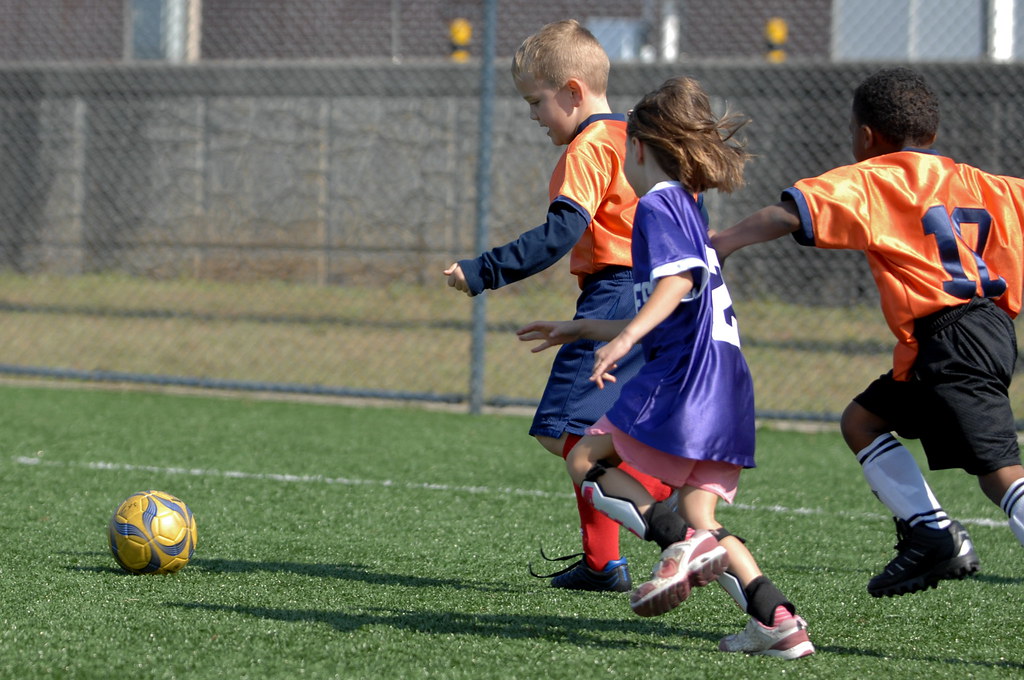
Impact on Outdoor Sports
Outdoor sports, such as soccer, baseball, and cycling, are particularly vulnerable to the effects of climate change. Here are some notable impacts:
- Extreme Weather Events: Increased frequency of storms and hurricanes can lead to canceled games, damaged facilities, and reduced training time.
- Heatwaves: Higher temperatures can endanger athletes’ health, leading to heat exhaustion and heatstroke. Thirsty athletes must adapt to these challenging conditions.
- Shortened Seasons: Many sports have already seen changes in their seasons due to weather conditions. For example, ski resorts are facing shorter snow seasons, drastically impacting winter sports.
Adapting to New Conditions
Sports organizations are taking steps to adapt to these changes. Here are a few strategies being implemented:
- Flexible Scheduling: Adjusting game times to avoid the hottest parts of the day helps protect athletes’ health.
- Investment in Infrastructure: Many teams and leagues are investing in climate-resilient facilities that can withstand extreme weather.
- Collaborations with Meteorologists: Partnering with climate experts to monitor conditions and predict weather-related disruptions.
Indoor Sports and Climate Control
While indoor sports like basketball, hockey, and swimming may be less directly affected by climate change, they are not immune. The energy consumption required to maintain climate control in these venues is significant and raises concerns about carbon footprints.
Energy Efficiency Innovations
To combat these issues, many sports arenas and facilities are adopting sustainable practices:
- Renewable Energy Sources: Many venues are investing in solar panels and wind energy to power operations.
- Sustainable Design: New constructions are incorporating green technologies, including better insulation and energy-efficient lighting.
- Water Conservation: Strategies to minimize water use for cooling and maintenance are becoming standard practice.
The Role of Athletes in Climate Advocacy
Athletes are becoming powerful voices in the climate change conversation. Their platforms allow them to advocate for sustainable practices and raise awareness about environmental issues.
Notable Initiatives
Several athletes have taken remarkable steps in this regard:
- Campaigns for Sustainable Practices: Many athletes are engaging in campaigns promoting sustainable equipment and apparel.
- Community Involvement: Athletes are participating in or organizing clean-up events and tree-planting initiatives in their communities.
- Partnerships with NGOs: Collaborating with non-profits focused on climate change can amplify their message and reach a broader audience.
Case Studies of Sports Organizations Taking Action
Several sports organizations are actively engaged in combating climate change:
The International Olympic Committee (IOC)
The IOC has been integrating sustainability into the Olympic Games, focusing on reducing waste, protecting natural sites, and promoting sustainable transportation.
Major League Baseball (MLB)
MLB is exploring eco-friendly stadium designs and implementing recycling programs across its venues.
FIFA
The organization behind the World Cup has launched initiatives aimed at reducing carbon footprints and promoting sustainability during events.
Looking Forward: The Future of Sports and Climate Action
As the effects of climate change continue to evolve, the sports community will need to adapt and innovate. Here’s what the future holds:
- Increased Collaboration: More partnerships between sports leagues, environmental organizations, and governments to create sustainable strategies.
- Education and Awareness: Greater emphasis on educating athletes, coaches, and fans about the impacts of climate change.
- Investment in Research: Ongoing support for research into climate-resilient technologies and practices in sports.
Conclusion
Climate change is a pressing issue that affects all aspects of our lives, including sports. While challenges abound, there are numerous opportunities for athletes, organizations, and fans to contribute to meaningful change. By embracing sustainability, the sports community can not only protect the integrity of their games but also take a leading role in the fight against climate change.