Introduction
As we navigate through 2026, the role of sports in fostering community ties has never been more crucial. Sports have traditionally served as a powerful vehicle for uniting individuals, transcending socio-economic barriers and cultural divides. This article delves into how local sports initiatives are enhancing community engagement, boosting mental health, and promoting social responsibility.
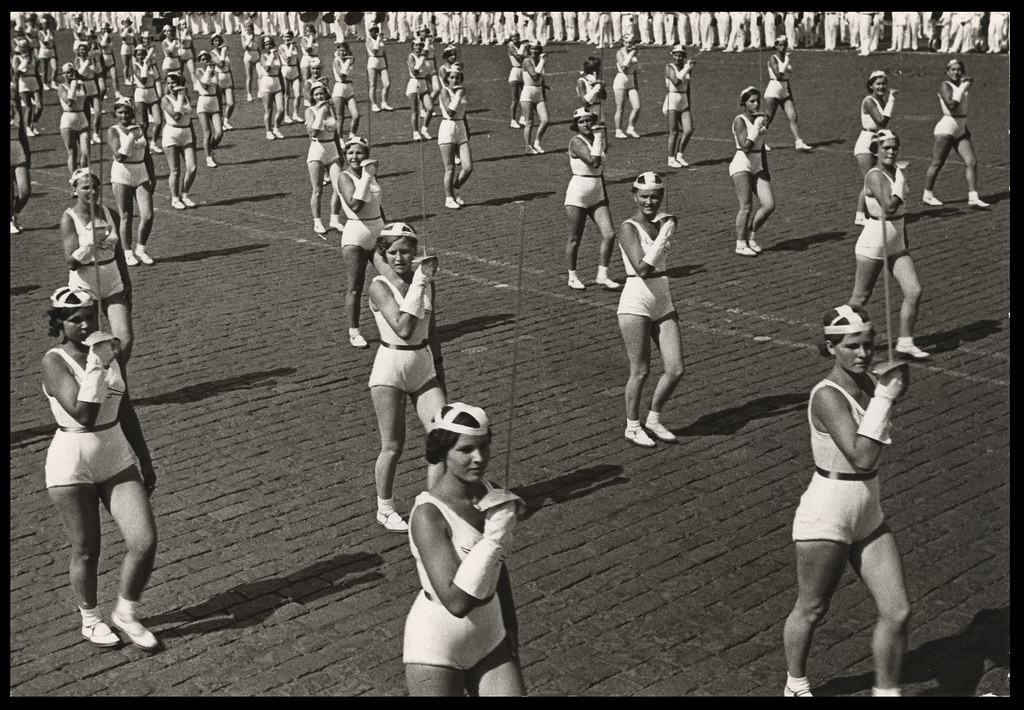
The Power of Local Sports Programs
Local sports programs are vital for several reasons. They not only provide a platform for athletic development but also cultivate community spirit.
1. Creating Sense of Belonging
Participating in local sports fosters a sense of belonging among community members. Here are some ways this is achieved:
- Teamwork: Local sports teams encourage collaboration and camaraderie.
- Shared Experiences: Engaging in sports creates shared memories, strengthening community bonds.
- Inclusivity: Local programs often cater to diverse age groups and skill levels, making sports accessible to all.
2. Boosting Mental Health
Beyond physical health, community sports have a significant impact on mental well-being. Here’s how:
- Stress Relief: Physical activity is known to reduce stress and anxiety levels.
- Social Connections: Building friendships through sports can alleviate feelings of loneliness.
- Positive Environment: Engaging in a supportive team setting contributes to overall happiness.
Success Stories: Local Initiatives Making a Difference
Numerous local sports initiatives have emerged, showcasing the positive impacts on communities. Here are three notable examples:
1. Community Sports Leagues
Grassroots leagues have sprouted up nationwide, allowing adults and children to participate in a variety of sports. These leagues not only promote physical fitness but also bring neighbors together, fostering friendships and collaborations that extend beyond the field.
2. Youth Mentorship Programs
Organizations are pairing young athletes with mentors, creating a supportive environment for personal and athletic development. These programs often emphasize the importance of academics, community service, and character development, ensuring that young athletes become well-rounded individuals.
3. Sports Clinics and Workshops
Local clinics focus on skill development, inclusivity, and nutritional education. They are designed to engage underprivileged youth, providing them with opportunities that they might not otherwise have, while emphasizing the importance of a healthy lifestyle.
The Role of Technology in Enhancing Local Sports Engagement
In 2026, technology plays a critical role in amplifying community sports engagement. Here are some advancements making waves:
- Social Media: Platforms like Instagram and TikTok are being leveraged to promote local events and highlight achievements.
- Mobile Applications: Apps are being developed to connect players, coaches, and parents, making it easier to organize teams and events.
- Live Streaming: Local games can now be streamed online, allowing family and friends who cannot attend to support their teams.
Challenges Facing Community Sports in 2026
Despite the numerous benefits, local sports face challenges. Understanding these barriers is essential for fostering improvement:
- Lack of Funding: Many local programs struggle with securing adequate funding to maintain operations.
- Access to Facilities: Limited access to quality fields and courts can inhibit the growth of local sports.
- Inclusivity Issues: Efforts must be made to ensure that all demographics feel welcome in community sports initiatives.
Strategies for Enhancing Community Sports Engagement
To overcome these challenges, various strategies can be implemented:
- Partnerships with Local Businesses: Collaborating with local sponsors can provide necessary funding and resources.
- Community Events: Organizing community-wide sports days can engage the public and raise awareness of local programs.
- Feedback Mechanisms: Creating avenues for community members to voice their needs and suggestions can help tailor programs effectively.
Conclusion
Building better communities through sports is a collective effort that requires dedication, innovation, and engagement from all stakeholders. As we continue through 2026, the focus on local sports programs will undoubtedly strengthen community ties, improve mental health, and promote social responsibility. It’s not just about the sport; it’s about the community that rallies around it.