Introduction
As we step into the latter part of the decade, the landscape of sports fandom is undergoing a significant transformation. No longer are fans just spectators; they are active participants in the culture and community surrounding their favorite teams and athletes. In 2026, this evolution is influenced by technology, societal changes, and a renewed focus on connection and engagement.
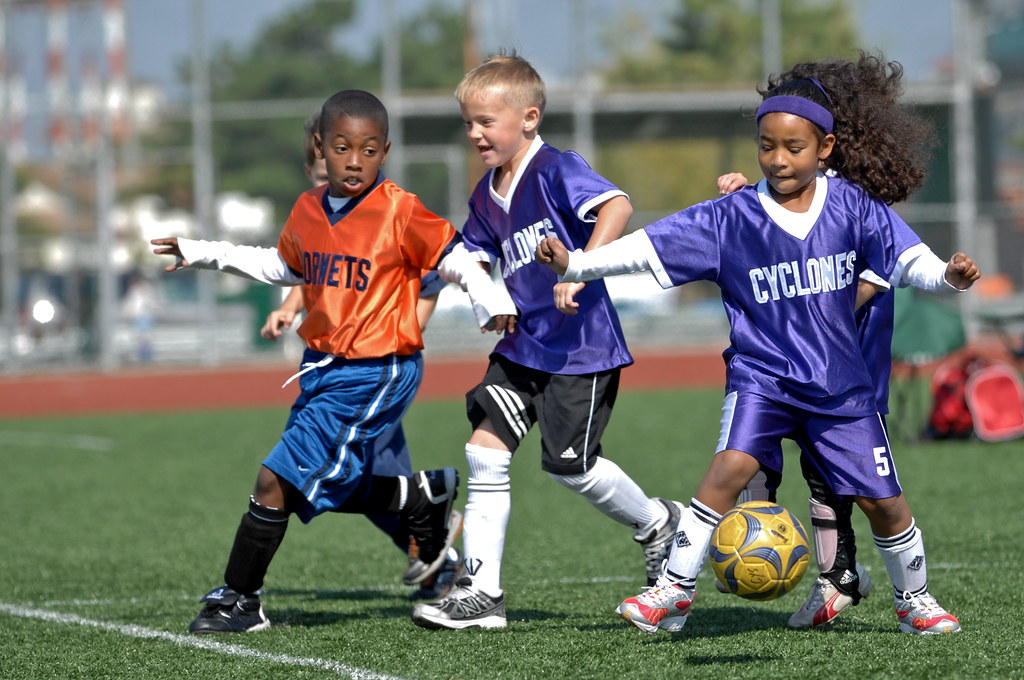
The Rise of Community-Centric Fandom
Today’s sports fans are gravitating toward experiences that foster a sense of belonging. Community-centric fandom has become a vital element, with sports organizations recognizing the importance of local engagement. Here are some key trends:
- Localized Events: From team meet-and-greets to local charity events, teams are hosting activities that bring fans together. This enhances the social fabric of local communities.
- Interactive Fan Zones: At stadiums and arenas, interactive fan zones offer immersive experiences, such as virtual reality interactions and skill challenges that allow fans to engage directly with the sport.
- Fan Advisory Boards: Many teams are soliciting the opinions of their fan base through advisory boards, ensuring that the voice of the community is heard in decision-making.
Leveraging Technology for Enhanced Engagement
Today’s fans are tech-savvy and crave deeper interaction with their teams. In response, organizations are embracing various technologies:
- Augmented Reality (AR) Experiences: AR applications are being developed to provide fans with real-time information during games, enhancing the viewing experience both in-stadium and at home.
- Mobile Apps: Dedicated team apps have become a staple for engagement, featuring interactive content, live updates, and opportunities for fans to earn rewards through participation.
- Data-Driven Fan Insights: Utilizing analytics tools, teams are offering personalized content, enhancing communication with fans based on their preferences and behaviors.
Building Authentic Connections in a Digital Age
While technology plays a crucial role, the emotional connection remains at the heart of fandom. Teams are prioritizing authentic interactions:
- Social Media Engagement: Platforms like Instagram and TikTok are being utilized for behind-the-scenes content, allowing fans to feel more connected to athletes and their journeys.
- Player-Fan Interactions: Events such as Q&A sessions with players on social media platforms create a personal touch, fostering a sense of camaraderie between fans and athletes.
- Customized Merchandise: Teams are offering options for personalized gear, allowing fans to wear their support in a more individualistic way.
The Importance of Inclusion and Diversity
As the understanding of community broadens, so too does the focus on inclusion and diversity within sports fandom:
- Targeted Outreach Programs: Initiatives aimed at underrepresented groups are growing, encouraging participation and making sports accessible to all.
- Celebrating Diversity: Teams are highlighting diverse cultures within their fanbases, hosting themed nights and events that embrace various backgrounds.
- Support for Female Athletes: The rise of women’s sports has seen a parallel growth in female fandom, with sports organizations actively promoting women’s leagues and events.
The Role of Content Creation in Fandom
Fans are no longer just consumers of content; they are creators. This shift is altering how sports organizations interact with their audiences:
- User-Generated Content: Fans are encouraged to share their experiences via social media, enabling teams to feature this content in their marketing, creating a stronger sense of community.
- Fan Blogs and Vlogs: Many fans have taken to blogging or vlogging about their favorite teams, sharing personal stories and insights that resonate with a wider audience.
- Interactive Fan Contests: Organizations are holding contests inviting fans to create videos or artwork, often leading to excitement and shared ownership of team culture.
Conclusion
The future of sports fandom is brightly lit by the pillars of community, connection, and authenticity. As we embrace 2026 and beyond, the focus on fostering deeper relationships between fans, teams, and players will continue to reshape the sports industry. This evolution will not only enhance the spectator experience but will also strengthen the societal impact of sports as a unifying force.