Introduction
As we delve into 2026, the role of sports transcends mere competition; it has become a significant medium for fostering global identity and unity. This article explores how sports act as a bridge among diverse cultures, communities, and nations, carving pathways for understanding and collaboration.
Sports as a Cultural Language
Sports have a unique ability to break down barriers. The universal appeal of athletic competitions allows individuals from different backgrounds to communicate beyond words. Events like the FIFA World Cup and the Olympics showcase not only athletic talent but also the rich tapestry of cultures that participate in them.
Shared Experiences
When nations come together for a sporting event, they create shared experiences that foster camaraderie. These moments can lead to:
- Collective Pride: National pride swells as fans unite in support of their teams.
- Cross-Cultural Interactions: Fans from diverse backgrounds interact, share stories, and form friendships.
- Cultural Exchange: Sporting events often feature cultural performances, showcasing traditions and values.
Sports Diplomacy: Building Bridges
In an era of geopolitical tension, sports diplomacy emerges as a powerful tool for peace and collaboration. Countries engage in friendly competitions, fostering dialogue and understanding between political adversaries.
Case Study: The Korean Peninsula
The 2026 Winter Olympics in South Korea offers a poignant example. North and South Korea’s joint participation signifies a hopeful stride toward reconciliation. Sports become a platform where athletes can embody the spirit of unity, transcending political barriers.
The Role of Technology in Global Sports Engagement
Technological advancements play a pivotal role in enhancing global engagement in sports. From broadcasting to social media, technology connects fans and athletes like never before.
Global Live Streaming
Live streaming platforms allow fans worldwide to experience events in real-time, regardless of location. This accessibility contributes to:
- Inclusivity: Fans from different parts of the world can support their teams and share in the excitement.
- Increased Viewership: Global events see a surge in viewership, enhancing the cultural significance of the competition.
Grassroots Movements and International Unity
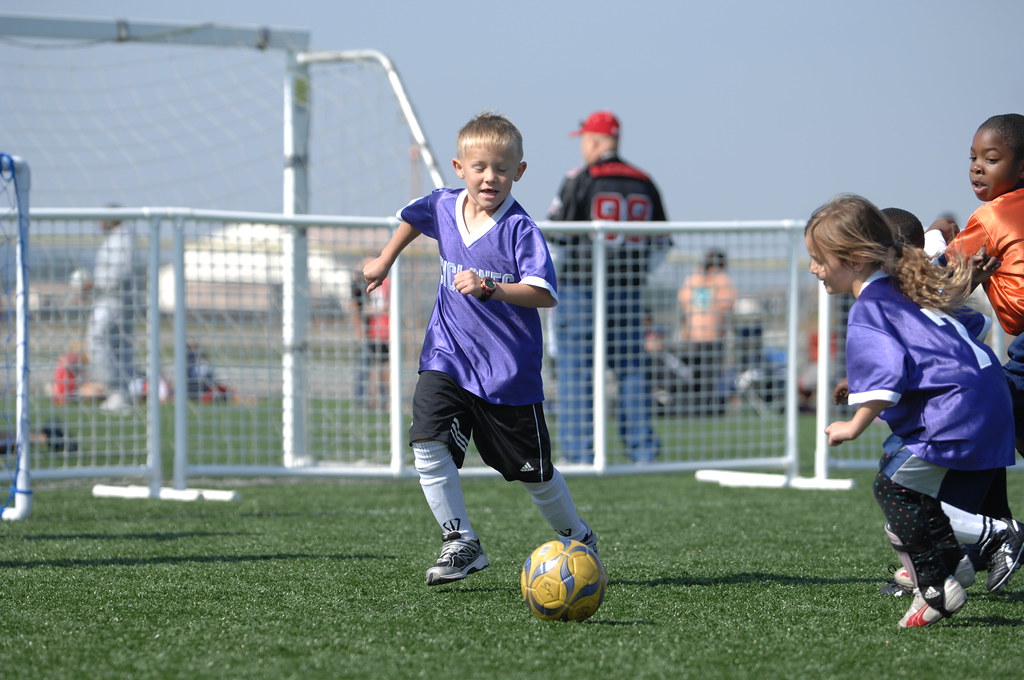
While elite sports garner attention, grassroots initiatives are crucial for fostering community and global unity. Local sports clubs and organizations are the bedrock of promoting inclusion and diversity.
Empowering Local Communities
Grassroots sports programs help individuals develop not only athletic skills but also essential life skills. These include:
- Teamwork: Players learn to work together, fostering collaboration.
- Resilience: Sports teach participants to deal with setbacks and challenges.
- Communication: Athletes improve their interpersonal skills, critical for community building.
The Influence of Global Events on National Identity
International sports events often act as catalysts for reinforcing national identity. They provide an opportunity for citizens to rally around a common goal, fostering a shared sense of belonging.
National Identity Through Sports
The impact of sports on national identity can be observed in various ways:
- Symbolism: Teams often serve as symbols of national pride, embodying the values and aspirations of their citizens.
- Historical Context: Many nations have pivotal moments in sports history that contribute to their national narrative.
Conclusion
As we navigate through 2026, the significance of sports as a unifying force cannot be overstated. From fostering cultural exchanges to promoting peace through sports diplomacy, the role of athletics continues to evolve. Sports are not just games; they are a powerful medium shaping our global identity and striving for a united future.