The Changing Landscape of Youth Sports: Embracing Diversity and Inclusion in 2026
As we move further into 2026, the realm of youth sports is undergoing a significant transformation. This change is not just about the games being played, but also involves a commitment to diversity and inclusion, ensuring that every child has the opportunity to participate and thrive. This article explores these evolving dynamics, the importance of accessibility, and the roles that communities, organizations, and technology are playing in shaping the future.
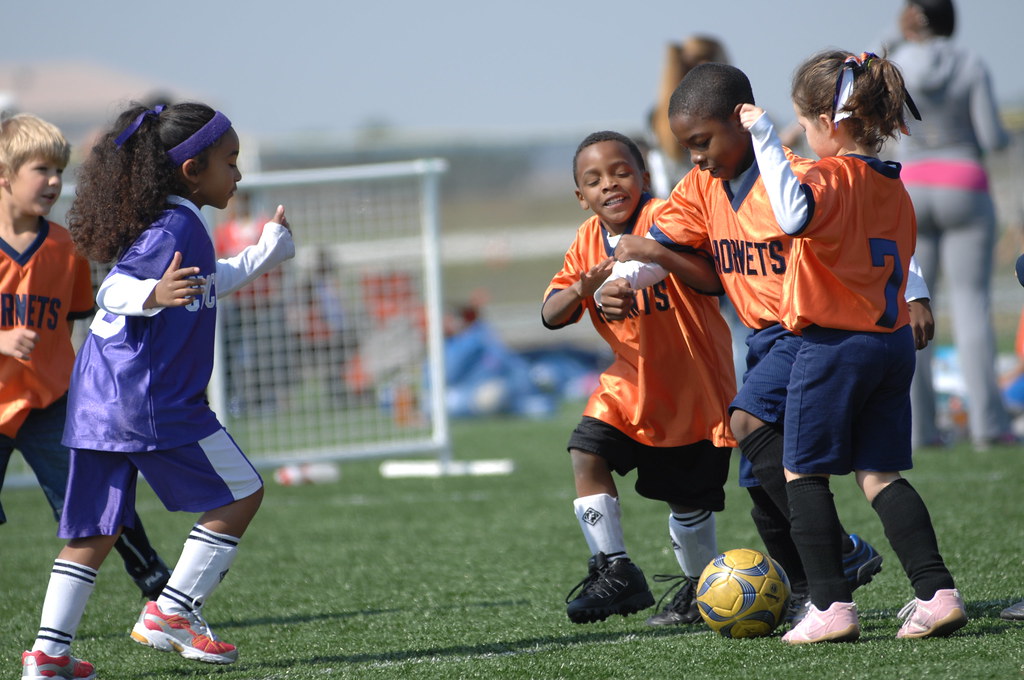
The Importance of Diversity in Youth Sports
Diversity in youth sports refers to the inclusion of individuals from various backgrounds, including different ethnicities, genders, abilities, and socioeconomic statuses. Embracing diversity is essential for several reasons:
- Enhanced Learning Experience: Children learn valuable life skills by interacting with peers from diverse backgrounds, including teamwork, empathy, and respect.
- Greater Representation: Inclusive environments help minority groups feel represented, encouraging participation and competition at all levels.
- Broader Perspectives: Exposure to different playing styles and strategies enhances the overall skill set of young athletes.
Inclusion Initiatives in Youth Sports
Organizations across the globe are recognizing the need for structured initiatives to promote inclusion in youth sports. Here are some of the most notable initiatives taking shape in 2026:
- Adaptive Sports Programs: Many communities are developing programs that cater to youth with disabilities, providing tailored experiences that empower these young athletes to participate fully.
- Scholarship Opportunities: To break down financial barriers, several sports clubs and organizations are offering scholarships and subsidized fees to ensure that all children can afford to play.
- Gender Equality Initiatives: There has been a significant push for equal access to sports for girls, with many organizations implementing programs specifically designed to support and promote female athletes.
The Role of Technology in Enhancing Inclusivity
Technology is playing a pivotal role in creating more inclusive environments in youth sports:
- Wearable Technology: Devices that monitor health metrics can assist coaches in tailoring training programs to individual needs, accommodating different abilities.
- Online Platforms: Virtual platforms for training, coaching, and community building are making sports more accessible, reaching youth who may not have local opportunities.
- Social Media Awareness: Campaigns on social media platforms are raising awareness about the importance of diversity and inclusion, encouraging communities to take action.
Community Engagement and Support
Communities play a crucial role in fostering diversity and inclusion in youth sports. Grassroots movements are important, and local organizations are stepping up to support these changes:
- Volunteer Coaches: Many communities are recruiting volunteer coaches from diverse backgrounds to ensure representation and mentorship for young athletes.
- Partnerships with Schools: Collaborations between sports organizers and educational institutions can help identify and engage marginalized youth, making sports an integral part of their development.
- Community Events: Sports festivals and inclusive competitions are being organized to celebrate diversity, bringing together youth from all backgrounds to compete and connect.
Challenges to Overcome
Despite the ongoing progress, significant challenges still exist:
- Resource Allocation: Many communities struggle with funding and resources, which can limit their ability to implement inclusive programs.
- Awareness and Education: Continued education and awareness are needed to combat stereotypes and biases that still persist within certain communities.
- Resistance to Change: Some traditional organizations may resist inclusive practices, fearing a loss of competitiveness or altered identities.
Looking Ahead
The future of youth sports in 2026 and beyond hinges on our ability to embrace diversity and inclusion. By actively working to dismantle barriers and create opportunities for all, we can build a stronger, more vibrant sports community.
As parents, coaches, and community members, we all have a role to play. Let’s continue to advocate for initiatives that promote inclusivity, provide resources for underrepresented athletes, and celebrate the beauty of diversity in sports.