The Revival of Traditional Sports: Trends and Innovations in 2026
In the fast-paced world of sports, where modernity often overshadows tradition, 2026 marks a significant turning point for traditional sports. As we delve into this revival, we discover how communities are reconnecting with their roots while incorporating innovative strategies that are reshaping the landscape of athletics.
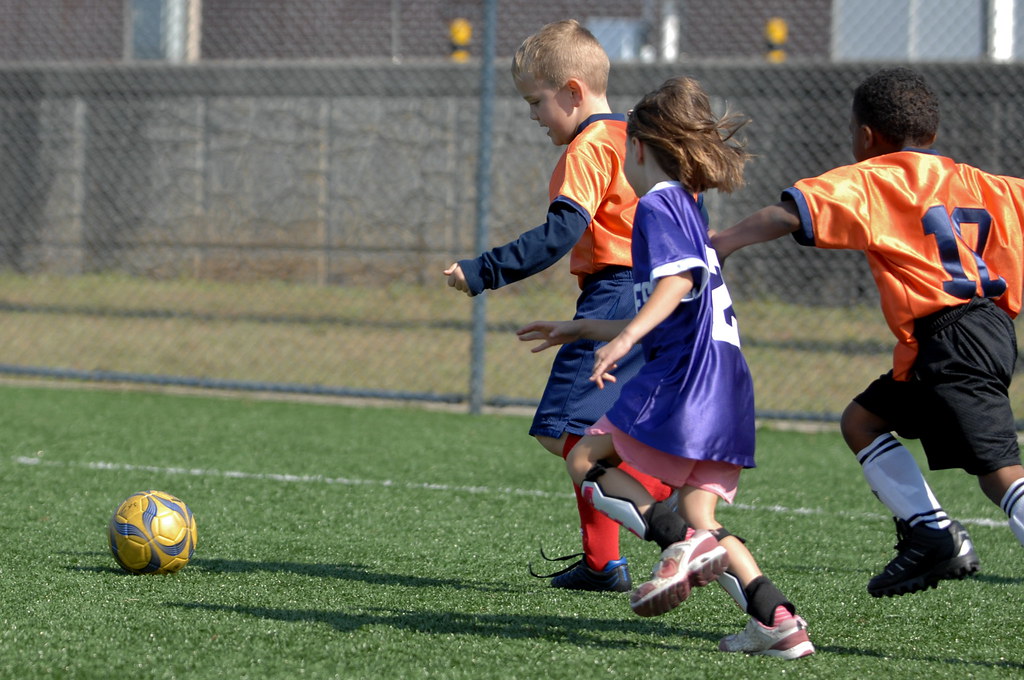
The Return to Roots: Why Traditional Sports Matter
Traditional sports have long been an integral part of cultural heritage worldwide. From cricket in England to kabaddi in India, these games offer more than just competition; they foster community spirit and a sense of belonging. The resurgence of interest in traditional sports can be attributed to various factors:
- Cultural Identity: Many communities are embracing traditional sports to reinforce cultural identity, especially in an increasingly globalized world.
- Health and Well-being: With a growing emphasis on physical fitness, traditional sports provide a fun and engaging way to promote health.
- Community Engagement: Local tournaments and events encourage social interaction and community bonding, making them more appealing than ever.
Innovations Leading the Charge
The revival is not merely about nostalgia; it’s about integrating modern technology and innovative approaches to enhance the experience. Here are some notable innovations:
- Smart Equipment: Manufacturers are developing smart versions of traditional sports equipment, incorporating sensors that help players improve their performance through real-time feedback.
- Augmented Reality (AR): AR is being used to create interactive experiences for fans. Imagine watching a kabaddi match live while getting augmented insights about player statistics and tactics.
- Online Platforms: With the rise of digital media, many traditional sports are seeing a surge in online participation. Platforms are emerging where players can connect, share experiences, and organize local matches.
Case Studies: Successful Traditional Sports Revivals
Several traditional sports have notably regained popularity, showcasing how innovation can breathe new life into age-old games:
- Sumo Wrestling in Japan: 2026 has seen a revitalization of interest in sumo, with new media campaigns and international tournaments opening doors for global audiences.
- Hurling in Ireland: Innovative training programs aimed at younger athletes have increased participation in hurling, combining tradition with modern coaching techniques.
- Lacrosse in North America: Efforts to integrate lacrosse into mainstream sports culture have led to a growth in youth leagues and educational programs, cultivating a new generation of players.
The Role of Education and Community Outreach
To sustain this revival, education and community outreach are paramount. Institutions and local organizations are investing in:
- School Programs: Introducing traditional sports into school curriculums encourages students to appreciate their heritage.
- Workshops and Clinics: These initiatives provide training and resources to those interested in participating in traditional sports, ensuring the skills and knowledge are passed down.
- Community Events: Local festivals celebrating traditional sports not only showcase talent but also facilitate community bonding, infusing these events with cultural significance.
The Future of Traditional Sports
As we look ahead, the future of traditional sports appears bright. Here are a few trends to watch in the coming years:
- Integration with Modern Sports: Expect to see more crossover events where traditional and modern sports intersect, creating a diverse sporting culture that appeals to a wider audience.
- Global Competitions: The rise of international festivals dedicated to traditional sports will encourage global participation and foster international camaraderie.
- Sustainability Practices: Traditional sports are becoming a platform for promoting sustainability, with community-led initiatives focusing on eco-friendly practices within sports.
Conclusion
The revival of traditional sports in 2026 reflects a yearning for authenticity and cultural connection in an era dominated by fast-paced entertainment. By blending tradition with innovation, communities are not only preserving their heritage but also creating vibrant sporting landscapes that are set to thrive for years to come. As this movement gains momentum, we can expect to see a richer, more diverse sports culture that honors the past while embracing the future.